1 year on 0.25mg fin and 2%keto everyday. (25yo male,Tried to choose photos with same lighting.) Progress Pictures 12/5/2023
The conversation is about a 25-year-old male's one-year hair loss treatment progress using 0.25mg finasteride daily and 2% ketoconazole shampoo. The user shared progress pictures trying to maintain consistent lighting for comparison.
View this post in the Community →
Similar Community Posts Join
6 / 1000+ results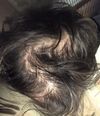
community Completely obliterated my diffuse thinning without Finasteride w/ pictures
The user improved diffuse thinning without finasteride by using minoxidil foam, cold showers, gentle hair drying, 2% ketoconazole, sulfate-free tea tree oil shampoo, dermastamping, and supplements like Omega-3, Vitamin-D, Biotin, Keratin, Collagen, B3, Zinc, and Magnesium. The regimen was followed for about six months under dermatologist guidance.
community Androgenetic alopecia is a skin disease: DHT-mediated skin disorders
Dihydrotestosterone (DHT) impacts various skin conditions, including Androgenetic alopecia and seborrheic dermatitis, by causing overactivity in sebaceous glands. Topical medications Tacrolimus and Clobetasol can reduce these inflammatory conditions, and treatments like RU58841, Minoxidil, and Finasteride may also be beneficial.
community Nizoral ketaconazole any good for dht reduction
A 17-year-old is looking for alternatives to finasteride for DHT control to preserve hair, considering ketoconazole shampoo for its potential to inhibit 5AR and also thinking about using caffeine-containing shampoos like alpecin or watermans.
community I started rapidly diffuse thinning at 22. I'm 42 now and have as much hair as I did at 16. AMA
Hair loss treatments like finasteride, minoxidil, ketoconazole, PRP, and microneedling helped maintain hair for 20 years. Research and try evidence-based treatments for best results.
community I bought a microscope, how does my scalp/hairs look? I've been suffering diffuse thinning and hair loss after covid and never recovered (2 yrs ago) I eat healthy, in shape and workout.
A person with hair loss since COVID-19 is considering treatments like finasteride and minoxidil but is hesitant due to potential side effects. Suggestions include visiting a dermatologist, using a ketoconazole shampoo, and considering that post-COVID hair loss might be an autoimmune response.
community DHT Harms Scalp Microbiome: DHT Itch is REAL
Increased Malassezia and Cutibacterium in the scalp microbiome are linked to higher sebum production and inflammation in androgenetic alopecia (AGA). Treatments include ciclopirox shampoo, benzoyl peroxide shampoo, clobetasol propionate, calcipotriol, minoxidil, finasteride, and dutasteride.
Related Research
6 / 1000+ results
research Managing patterned hair loss – a hair raising task!
Hair loss can be managed with treatments like minoxidil, finasteride, and others, but there are still gaps in effectiveness and off-label usage is increasing.

research Minoxidil: a comprehensive review
Minoxidil effectively treats hair loss, especially androgenetic alopecia, but needs more research for better understanding.

research Overactive bladder in men
Finasteride increases hair count and improves hair growth with low risk of side effects.
research Female pattern hair loss—An update
Female pattern hair loss has multiple causes and treatments, with new therapies showing promise.

research Androgenetic, Diffuse and Senescent Alopecia in Men: Practical Evaluation and Management
The conclusion is that treatments like finasteride and minoxidil can prevent baldness progression and improve hair density, but more research is needed on other therapies.

research An overview of female pattern hair loss
Female pattern hair loss involves thinning hair on crown and frontal scalp, diagnosed by hair ratio, and treated with minoxidil, antiandrogens, or hair transplantation.