4 years on meds. From balding to fin and from fin to dut. Progress Pictures 11/18/2025
The user switched from finasteride to dutasteride and oral minoxidil after experiencing side effects and worsening hair loss, which improved their condition. Dutasteride was preferred due to fewer side effects and better results compared to finasteride.
View this post in the Community →
Similar Community Posts Join
6 / 1000+ resultscommunity A new meta-analysis of 23 studies has confirmed that 5 milligrams a day of oral dutasteride had the highest probability of reducing male hair loss, followed by 5 milligrams a day of oral finasteride, followed by 5 milligrams of oral minoxidil, followed by 1 milligram a day of oral finasteride
Oral dutasteride (0.5mg) is most effective for male hair loss, followed by oral finasteride (5mg), oral minoxidil (5mg), and oral finasteride (1mg). Different treatments have benefits and side effects, and results don't apply to women's hair loss.
community Another update. Almost a year on Dutasteride and Oral Minoxidil, after several years on finasteride and topical minoxidil. I’m fairly certain my hair is objectively worse than it was 5 months ago.
A user's experience with hair loss treatments, including Dutasteride, Oral Minoxidil and Finasteride; potential side effects; and the potential of using anti-androgens or microneedling.
community Thoughts on my future hairloss stack? (Oral Finasteride 0,33g, Eucapil, Dutasteride Mesotherapy, Microneedling and Stemoxydine)
The user is currently using oral finasteride for hair loss and considering adding Eucapil, dutasteride mesotherapy, and microneedling to their treatment regimen. They are seeking alternatives to minoxidil, such as Stemoxydine, due to concerns about minoxidil's side effects.
community Reddit’s amatorial meta analysis of 17 already avaliable hair loss prevention treatments that were found to be effective in clinical studies but are not FDA approved for MPB. PROS and CONS. (2022 Guide if Finasteride and Minoxidil are not working/ give you sides/are not enough) 77 studies linked!
The post and conversation are about hair loss treatments that have been found to be effective in studies. There are 19 different treatments mentioned, including oral minoxidil, oral dutasteride, topical finasteride, RU58841, and more. The best treatment for an individual depends on factors like availability, cost, side effects, and personal preferences.
community 28M Considering Dutasteride After Finasteride Side Effects; Seeking Advice
A 28-year-old male with severe hair loss is considering switching from finasteride to dutasteride due to side effects from oral finasteride, despite using topical minoxidil and finasteride with minimal improvement. He seeks advice on whether dutasteride might be effective without affecting libido.
community Do you think oral minoxidil will become the standard for hair loss in 2026?
Oral minoxidil is considered more convenient and effective for some users, with positive results reported, but concerns about side effects and availability persist. Finasteride remains a standard treatment, while some users explore combinations with other treatments like dutasteride and laser devices.
Related Research
6 / 1000+ resultsresearch Comparison of oral minoxidil, finasteride, and dutasteride for treating androgenetic alopecia
Dutasteride is the most effective for hair loss but may cause sexual and mental side effects.
research The Use of Oral Dutasteride, Minoxidil, and Finasteride for Treating Endocrine Therapy-Induced Hair Loss from Breast Cancer Treatment: A Case Series Study
Oral dutasteride, minoxidil, and finasteride may help reduce hair loss in breast cancer survivors, but more research is needed.
research Astragalus membranaceus and Cinnamomum cassia Stimulate the Hair Follicle Differentiation-Related Growth Factor by the Wnt/β-Catenin Signaling Pathway
The YH complex, made from Astragalus membranaceus and Cinnamomum cassia, may help treat hair loss by promoting hair growth and follicle development.
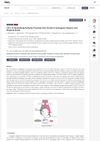
research CXCL12 Neutralizing Antibody Promotes Hair Growth in Androgenic Alopecia and Alopecia Areata
Blocking the protein CXCL12 with a specific antibody can increase hair growth in common hair loss conditions.
research The Effect of Local Skin Precooling on Alleviating Injection Site Pain in Patients With Androgenetic Alopecia Receiving a Scalp Nerve Block
Cooling the skin before injections reduces pain for patients with hair loss.
research Investigating the Safety and Efficacy of Platelet-Rich Plasma (PRP) Treatment for Female Androgenetic Alopecia: Review of the Literature
PRP treatment may promote hair growth and improve hair density in women with AGA, but more research is needed.