Finasteride doesn't work for me in 2 years and my bloodtest result just came in. Progress Pictures 11/22/2023
A user has been treating hair loss with finasteride for two years without success and is experiencing an itchy scalp with seborrhea. Despite low DHT levels, they are still losing hair, suggesting that DHT might not be the main cause of their hair loss, and they are considering other treatments or causes.
View this post in the Community →
Similar Community Posts Join
6 / 1000+ resultscommunity Androgenetic alopecia is a skin disease: DHT-mediated skin disorders
Dihydrotestosterone (DHT) impacts various skin conditions, including Androgenetic alopecia and seborrheic dermatitis, by causing overactivity in sebaceous glands. Topical medications Tacrolimus and Clobetasol can reduce these inflammatory conditions, and treatments like RU58841, Minoxidil, and Finasteride may also be beneficial.
community DHT Harms Scalp Microbiome: DHT Itch is REAL
Increased Malassezia and Cutibacterium in the scalp microbiome are linked to higher sebum production and inflammation in androgenetic alopecia (AGA). Treatments include ciclopirox shampoo, benzoyl peroxide shampoo, clobetasol propionate, calcipotriol, minoxidil, finasteride, and dutasteride.
community DHT Itch is real. The connection between Acne and Male Pattern Baldness shows this
The conversation discusses the link between seborrheic dermatitis, acne, and male pattern baldness, suggesting that DHT may cause both skin conditions and hair loss. Treatments mentioned include RU58841, finasteride, dutasteride, minoxidil, Nizoral shampoo, and other topical anti-androgens.
community any news about DUPA (Diffuse unpatterned alopecia)?
The conversation discusses diffuse unpatterned alopecia (DUPA) and its possible causes, including sensitivity to DHT, not being androgenic alopecia, being diffuse alopecia areata, or hormonal issues. Treatments mentioned include topical melatonin, Clobetasol Propionate for alopecia areata, and the lack of results from using finasteride, dutasteride, and minoxidil.
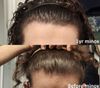
community Progress in miniaturization or time to go to a psychiatrist?
A 21-year-old is concerned about androgenic alopecia and has been using minoxidil for a year, noticing some stabilization in the hairline but fears using it on the whole scalp due to seborrheic dermatitis. Another person suggests considering a psychiatrist for stress management, using Nizoral shampoo, and possibly trying a small dose of finasteride.
community Does ketokonazole on its own improve androgenetic alopecia?
Ketoconazole can slightly improve hair density and is best used as an adjunct to treatments like finasteride and minoxidil. It helps with scalp health but won't stop androgenetic alopecia on its own.
Related Research
6 / 1000+ results
research Sexual Hormones in Human Skin
Human skin makes sexual hormones that affect hair growth, skin health, and healing; too much can cause acne and hair loss, while treatments can manage these conditions.

research Viva questions from the IJDVL
The document concludes that various skin conditions have specific characteristics and treatments, and highlights the importance of vitamin D in managing these dermatological issues.

research A review of hormonal therapy for female pattern (androgenic) alopecia - eScholarship
Hormonal therapy like cyproterone acetate and spironolactone may help female hair loss, but more research is needed, especially for pre-menopausal women.
research Dermatosis associated with menopause
Menopause can cause skin issues, and seeing a dermatologist helps.

research The Extract of Periplaneta americana (L.) Promotes Hair Regrowth in Mice with Alopecia by Regulating the FOXO/PI3K/AKT Signaling Pathway and Skin Microbiota
Periplaneta americana extract helps hair regrowth in mice with alopecia.
research Overactive bladder in men
Finasteride increases hair count and improves hair growth with low risk of side effects.