Glad that many influencers are coming out on taking fin and sharing their regrowth regime. Finasteride/Dutasteride 9/8/2023
The conversation is about influencers sharing their hair growth regime, specifically mentioning the use of finasteride (Fin) and minoxidil (Min). Some users express skepticism about the effectiveness of these treatments and discuss other factors that could contribute to hair loss.
View this post in the Community →
Similar Community Posts Join
6 / 1000+ resultscommunity The Real Cause Of Androgenetic Alopecia
Androgenetic alopecia is caused by DHT affecting hair growth. Finasteride and minoxidil are used to manage hair loss by blocking DHT and promoting hair growth.
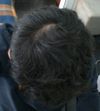
community 25 M Could this be the start for AGA? Should I be worried?
The user is experiencing hair loss, initially diagnosed as Telogen Effluvium due to stress, but is concerned it might be Androgenetic Alopecia (AGA). A suggestion was made to consider using Minoxidil or Finasteride if the condition worsens.
community Recovery from a severe case of Telogen Effluvium. Nov 2023 - February 2024 (m22, Oral min & fin)
A user recovered from severe Telogen Effluvium using 1mg finasteride and 2.5mg oral minoxidil within four months. Another user regained 80% hair density with finasteride and minoxidil over two years, and is now trying dutasteride.
community any news about DUPA (Diffuse unpatterned alopecia)?
The conversation discusses diffuse unpatterned alopecia (DUPA) and its possible causes, including sensitivity to DHT, not being androgenic alopecia, being diffuse alopecia areata, or hormonal issues. Treatments mentioned include topical melatonin, Clobetasol Propionate for alopecia areata, and the lack of results from using finasteride, dutasteride, and minoxidil.
community Dutasteride UPDATE (female) *sixth month*
A female user in her mid-20s with androgenetic alopecia and suspected telogene effluvium who has been taking Dutasteride, Spironolactone, Minoxidil, Dermarolling, Ketoconazol shampoo, and Yaz contraception for her hair loss for the past 6 months. She had a small shed during this time that she believes to be stress related.
community My Theory Of Androgenic Alopecia
Hair loss is linked to cellular physiology and the IGF-1 to TGF-B1 ratio, not just androgen sensitivity. The theory lacks evidence, while finasteride and minoxidil are effective treatments.
Related Research
6 / 1000+ results
research Entendendo a alopecia androgenética Understanding androgenetic alopecia Educação Médica Continuada
The document concludes that androgenetic alopecia is common, has a genetic link, and can be diagnosed and treated with medications like finasteride and minoxidil.
research Treatment of Alopecia with Low-Level Light Therapy
Low-level light therapy safely increases hair growth in various types of hair loss.
research An Overview of Alopecias
The document explains different types of hair loss, their causes, and treatments, and suggests future research areas.
research Astragalus membranaceus and Cinnamomum cassia Stimulate the Hair Follicle Differentiation-Related Growth Factor by the Wnt/β-Catenin Signaling Pathway
The YH complex, made from Astragalus membranaceus and Cinnamomum cassia, may help treat hair loss by promoting hair growth and follicle development.

research Effects of oxytocin on the hair growth ability of dermal papilla cells
Oxytocin may help hair grow by increasing hair growth-related genes and factors.
research Hair Growth Effect of DN106212 in C57BL/6 Mouse and Its Network Pharmacological Mechanism of Action
DN106212, an extract from a plant, is better at promoting hair growth than other tested substances by affecting hair growth factors and follicle development.