How much DHT causes hair loss ? Finasteride/Dutasteride 11/9/2025
The user is taking 2.5 mg dutasteride and 5% minoxidil but is not seeing hair regrowth, and is considering adding RU58841. They are experiencing fatigue and low MCV/MCH, possibly related to dutasteride, and are advised to be patient, consider microneedling, and check for iron deficiency.
View this post in the Community →
Similar Community Posts Join
5 / 1000+ resultscommunity 1 Month RU58841 + Minoxidil + Weekly microneedle
The user is using RU58841, Minoxidil, and weekly microneedling for hair loss, having stopped finasteride due to side effects like low libido and depression. They are considering dutasteride as an alternative but are cautious due to past experiences with DHT blockers.
community 25 months. Dutasteride, RU58841, Minoxidil, Microneedling, Nizoral, T/GEL, fixing vitamin D levels
User "manlycoffee" shares 25-month progress using Dutasteride, RU58841, Minoxidil, Microneedling, Nizoral, T/GEL, and fixing vitamin D levels for hair loss. Users discuss sources, experiences, and side effects of treatments.
community 18 months. Dutasteride, RU58841, Minoxidil, Microneedling, Nizoral, T/GEL
A 28 year old man's 18-month journey to treat his hair loss with Dutasteride, RU58841, Minoxidil, Microneedling, Nizoral and T/GEL. He experienced some side effects along the way, including translucent semen and scalp less oily.
community 6 months - 0.5mg dutasteride, 5mg oral minoxidil, 80mg Ru58841, microneedle 1.5mm every other week
User started hair loss treatment 6 months ago using 0.5mg dutasteride, 5mg oral minoxidil, 80mg RU58841, and microneedling 1.5mm every other week. They experienced significant hair regrowth and no side effects, with others encouraging continued progress.
community If you had to abandon DHT blockers, what’s next?
Users discuss alternatives to DHT blockers for hair loss, suggesting minoxidil, microneedling, natural DHT blockers, and scalp massages. Some explore RU58841, ketoconazole, hair transplants, and hair systems due to side effects from finasteride and dutasteride.
Related Research
6 / 1000+ resultsresearch Biomedical Technologies for Androgenic Alopecia Treatment: Advance, Mechanism and Future Direction
New technologies show promise for safer, more effective hair loss treatments.

research Drug discovery for alopecia: gone today, hair tomorrow
Topical drugs and near-infrared light therapy show potential for treating alopecia.

research Experimental and early investigational drugs for androgenetic alopecia
New hair loss treatments may include topical medications, injections, and improved transplant methods.

research From a stem-cell–centered to a niche-centered view: the core role of collagen networks in hair loss and hair follicle miniaturization
Collagen networks play a key role in hair loss and follicle miniaturization.
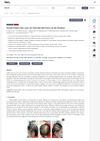
research Female Pattern Hair Loss: An Overview with Focus on the Genetics
Different genes cause Female Pattern Hair Loss compared to male hair loss, and treatments vary, but more research is needed to understand it fully.

research Antiandrogens and Androgen Inhibitors
Antiandrogens and androgen inhibitors like spironolactone, finasteride, and dutasteride can treat hair loss and skin conditions, but they have risks and side effects, including potential harm to pregnant women and risks of cancer and heart issues. Herbal remedies also have antiandrogenic effects but lack safety validation.