Is Finasteride helping with my skin tags or is it something else? Treatment 2/14/2025
The user noticed improvement in skin tags after using oral and topical finasteride and minoxidil, along with other supplements like thiamine, P5P, serrapeptase, nattokinase, and retinol. They are unsure which treatment caused the improvement and are seeking input on whether finasteride's DHT reduction could be responsible.
View this post in the Community →
Similar Community Posts Join
5 / 1000+ resultscommunity Study: There is 70x Higher Unconjugated DHT in Feces Compared To Blood Levels in Young Adults - Gut Microbiota Manages DHT Recycling and Metabolism
Gut microbiota significantly influences androgen metabolism, impacting hair loss treatments like finasteride. Probiotics, dietary changes, and fecal microbiota transplants may help manage DHT levels and improve hair health.
community 57% increased chance of pattern hair loss independently associated with the consumption of sugary beverages in men (p<0.001).
Sugary beverages increase the risk of pattern hair loss in men by 57%, and type 2 diabetes is linked to female pattern hair loss. Reducing sugar intake and using treatments like finasteride and minoxidil may help manage hair loss.
community Hair regrowth without drugs (99% natural) 25M
A user shared their experience with hair regrowth using supplements like NAC and DIM, and briefly using minoxidil with microneedling. They reported some improvement in hair density, but the community questioned the effectiveness compared to traditional treatments like finasteride.
community 38M: High DHT Levels and Considering Finasteride/Minoxidil for Slow Hair Loss
A 38-year-old is considering using finasteride and minoxidil for hair loss, despite already having significantly reduced DHT levels. They are unsure whether to try finasteride, minoxidil, or topical finasteride to see if it affects their hair loss progression.
community 6-Month Progress with Finasteride & Minoxidil Spray, DHT Shampoo, and Dermarolling
The conversation discusses a user's 6-month progress in treating hair loss using finasteride, minoxidil spray, DHT shampoo (Spartan), and dermarolling. The user shares their experience and others inquire about the DHT shampoo's function.
Related Research
6 / 1000+ results
research Common Causes of Hair Loss and Their Treatment Options
Various treatments exist for hair loss, but no definitive solution.
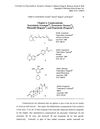
research Cosmeceuticals
Isotretinoin and tazarotene help treat acne, while minoxidil and finasteride promote hair growth.

research Hair Restoration in Androgenetic Alopecia: Looking Beyond Minoxidil, Finasteride and Hair Transplantation
Alternative treatments show promise for hair growth beyond traditional methods.

research Current and Future Medical Treatment of Androgenetic Alopecia
Treatments for hair loss vary, but cell-based options may be the future.

research A Systemic Review on Topical Marketed Formulations, Natural Products, and Oral Supplements to Prevent Androgenic Alopecia: A Review
Various treatments, including FDA-approved drugs, natural products, and oral supplements, can help with hair loss, but a patient's medical history and potential allergies should be considered when choosing a treatment.

research Interventions for female pattern hair loss
Topical minoxidil helps treat female pattern hair loss, but more research needed for other treatments.