Is there new research about pumpkin oil as a DHT blocker (2026)? Research/Science 5/2/2026
Pumpkin seed oil is considered a weak DHT blocker compared to finasteride and dutasteride, with some users reporting side effects like mood changes and reduced libido. Despite some anecdotal benefits for urinary issues, it is not effective for hair loss, and finasteride is preferred by some users for its lack of side effects.
View this post in the Community →
Similar Community Posts Join
6 / 514 resultscommunity Best science-backed supplements for androgenetic alopecia? Looking for real evidence
The conversation discusses treatments for androgenetic alopecia, focusing on evidence-based supplements to complement finasteride. Suggestions include oral minoxidil, saw palmetto, pumpkin seed oil, tocotrienols, and various other supplements, while emphasizing the importance of scientific backing and cautioning against saw palmetto if already using finasteride.
community Pumpkin seed oil for hair loss. Has anyone actually tried it? Suddenly PSO is everywhere.
Pumpkin seed oil is a weak natural DHT inhibitor and not effective for significant hair loss. Effective treatments include finasteride, minoxidil, and other medications.
community What About Phytosterol Alternatives - Rice Bran Oil - Natural DHT Blockers
The conversation discusses natural DHT blockers like rice bran oil, which may reduce 5α-reductase activity similarly to Minoxidil and Dutasteride. One user argues that finasteride is more reliable and effective than natural alternatives.
community Rosemary oil's potency as a dht blocker
Rosemary extract showed high inhibitory activity against DHT, similar to finasteride and dutasteride, but the conversation includes skepticism about its effectiveness in humans since the study was done on mice and rosemary oil is often considered ineffective based on personal experiences. Some suggest trying rosemary oil alongside other treatments, while others emphasize the difference between the extract used in the study and the oil.
community Claim: Insulin resistance increases the enzyme that creates DHT and affects the liver's ability to control hormones
Insulin resistance may increase DHT production, contributing to hair loss, and addressing it through diet, nutrients, and natural DHT blockers like saw palmetto and pumpkin seed oil could help reverse hair loss. Some users prefer medications like finasteride for more effective results.
community Hair journey since august, help!
The conversation is about hair loss and treatments, with suggestions to use finasteride or dutasteride as DHT blockers and minoxidil for regrowth. Oils and shampoos are considered ineffective for androgenic alopecia without these medications.
Related Research
6 / 283 results
research Can plant‐derived phytochemicals provide symptom relief for hair loss? A critical review
Some plant-based chemicals may help with hair growth, but more research is needed to confirm their effectiveness.
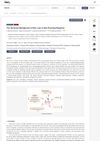
research The Hormonal Background of Hair Loss in Non-Scarring Alopecias
Hormones like androgens, estrogen, thyroid hormones, and stress hormones can contribute to hair loss, and treatments target these hormonal imbalances.
research Using the Mechanisms of Action Involved in the Pathogenesis of Androgenetic Alopecia to Treat Hair Loss
Combining different drugs can improve hair loss treatment.

research A decade of progress in androgenetic alopecia management: Emerging therapies and multimodal strategies
Androgenetic alopecia treatments are becoming more personalized and include new therapies like topical antiandrogens and regenerative strategies.
research Treatment options for androgenetic alopecia: Efficacy, side effects, compliance, financial considerations, and ethics
Combination therapies for androgenetic alopecia work best but can have significant side effects and costs.

research Role and Mechanisms of Phytochemicals in Hair Growth and Health
Natural products and phytochemicals may help with hair regrowth, but more research is needed.