Redness and flaking from topical minoxidil Minoxidil 1/26/2025
Topical minoxidil with tretinoin is causing redness, stinging, and flaking on the scalp. Reducing application frequency and using anti-dandruff shampoo may help alleviate symptoms over time.
View this post in the Community →
Similar Community Posts Join
6 / 1000+ resultscommunity 29M, 5.5 months of: 0.5mg finasteride, 5% minoxidil, 1.5mm microneedling once a week and 20mg RU58841. No notable sides. I feel much better, and happy to have started treatment just in time. I just wish I started sooner! The dandruffy gunk you see is definitely propylene glycol from minoxidil :')
User shared 5.5-month progress using 0.5mg finasteride, 5% minoxidil, 1.5mm microneedling weekly, and 20mg RU58841, with positive results and no side effects. Others discussed their experiences, dosage adjustments, and the importance of age in treatment efficacy.
community Nizoral shampoo – really needed? How often? How long to apply?
User on finasteride for a decade and oral minoxidil for a month asks about Nizoral shampoo's effectiveness and usage. Dermatologist suggests it may help with seborrheic dermatitis and hair loss, but not necessary; others share mixed opinions.
community Starting minoxidil and looking for a few tips
The conversation is about using minoxidil for diffuse thinning after finasteride showed no regrowth. Tips include applying minoxidil directly to the scalp, considering potential shedding, and being cautious with combining tretinoin due to possible irritation.
community Progress: From June 2022 (7 months of min + fin) to now (1 year) — I’ve lost so much density in this period and I have no idea why. I was getting pretty good resultup until that point. Is there anything else I can try? I’ve tried min, fin, tretinoin, micro needling, and castor oil. I feel hopeless.
The user lost hair density after 7 months of using minoxidil and finasteride and is seeking advice on other treatments after trying tretinoin, microneedling, and castor oil. Suggestions include checking for scalp conditions like eczema or psoriasis, changing minoxidil brands, and questioning hair dryer use and finasteride dosage.
community No regrowth after oral min, topical fin, min, and tret: Aggressive diffuse/hairline recession in 2 years
A user experienced no hair regrowth after using oral minoxidil, topical finasteride, minoxidil, and tretinoin, and reported side effects from oral finasteride. They are considering switching to dutasteride or using hair fibers for better results.
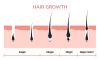
community 2026 Official Beginner’s Guide for “I’m losing my hair, what can I do?”
For hair loss, start with Finasteride, Minoxidil, Ketoconazole shampoo, and Microneedling. For severe cases, consider Dutasteride, oral Minoxidil, or hair transplants.
Related Research
6 / 1000+ results
research Promotive Effect of Topical Ketoconazole, Minoxidil, and Minoxidil with Tretinoin on Hair Growth in Male Mice
Minoxidil with tretinoin boosts hair growth most effectively, followed by minoxidil alone, and then ketoconazole.

research Dermatological problems of the puberty
Puberty often causes skin issues like acne and excessive sweating, and treatments require patience as results may vary.
research Female pattern hair loss
FPHL causes hair loss in women due to genetics and hormones; minoxidil and anti-androgens are treatments, and early intervention is advised.

research Beard Alopecia: An Updated and Comprehensive Review of Etiologies, Presentation and Treatment
Different causes of beard hair loss have various treatments, including medications, lifestyle changes, and procedures to stimulate hair growth.
research Expert opinion on current and emerging treatment options in androgenetic alopecia and telogen effluvium: an Indian perspective
Early diagnosis and personalized treatment are crucial for managing hair loss in India.

research Trichogenic effect of topical ketoconazole versus minoxidil 2% in female pattern hair loss: a clinical and trichoscopic evaluation
Minoxidil works faster, but ketoconazole is a safer alternative for female hair loss.