Smoking – Why Dutasteride may not be working Finasteride/Dutasteride 5/9/2023
Dutasteride works for most men, but some may experience worsening due to reasons like shedding, paranoia, non-androgenic alopecia, genetic variations, or smoking. Smoking can increase scalp DHT levels and damage follicles.
View this post in the Community →
Similar Community Posts Join
6 / 1000+ resultscommunity My understanding of how androgenetic alopecia works (plus FIN and DUT)
Androgenetic alopecia is affected by scalp DHT levels, not sensitivity, with treatments like finasteride and dutasteride aiming to optimize these levels. Personalized DHT management is crucial for effective hair growth.
community 31M. Just diagnosed with androgenic alopecia. Fears of min.
A 31-year-old man with androgenic alopecia is considering treatments like finasteride, minoxidil, and ketoconazole shampoo but is worried about finasteride's side effects. Users recommend starting with finasteride or dutasteride for DHT blocking, suggesting topical solutions to reduce side effects.
community Sexual Dysfunction in Those with Androgenetic Alopecia on Dutasteride Versus Finasteride
Dutasteride and finasteride have similar risks of sexual dysfunction for treating androgenetic alopecia. Users experience varying side effects, indicating individual differences in drug reactions.
community The Real Cause Of Androgenetic Alopecia
Androgenetic alopecia is caused by DHT affecting hair growth. Finasteride and minoxidil are used to manage hair loss by blocking DHT and promoting hair growth.
community COMPLETE OVERVIEW of the Treatment of androgenetic alopecia in men
Male androgenetic alopecia is commonly treated with topical minoxidil and oral finasteride, both requiring continuous use. Other options include hair restoration surgery, dutasteride, light therapy, and camouflaging agents.
community formula 82D for diffuse androgenic alopecia (DUPA)
The user is experiencing diffuse androgenic alopecia and is trying various treatments, including 5mg finasteride, loniten, and Formula 82D, which contains dutasteride, a steroid, and tretinoin. They report potential regrowth with Formula 82D, despite previous treatments being ineffective.
Related Research
6 / 1000+ results
research The Hormonal Background of Hair Loss in Non-Scarring Alopecias
Hormones like androgens, estrogen, thyroid hormones, and stress hormones can contribute to hair loss, and treatments target these hormonal imbalances.
research Recent Advances in Drug Design and Drug Discovery for Androgen- Dependent Diseases
New treatments for prostate cancer and BPH show promise, including novel compounds that target hormone synthesis and response.
research Updates in Treatment for Androgenetic Alopecia
New treatments for hair loss include low-dose oral minoxidil, light therapy, and innovative therapies targeting hair growth mechanisms.
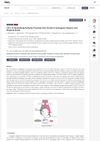
research CXCL12 Neutralizing Antibody Promotes Hair Growth in Androgenic Alopecia and Alopecia Areata
Blocking the protein CXCL12 with a specific antibody can increase hair growth in common hair loss conditions.
research Investigating the Safety and Efficacy of Platelet-Rich Plasma (PRP) Treatment for Female Androgenetic Alopecia: Review of the Literature
PRP treatment may promote hair growth and improve hair density in women with AGA, but more research is needed.
research Minoxidil: a comprehensive review
Minoxidil effectively treats hair loss, especially androgenetic alopecia, but needs more research for better understanding.