Testosterone and Androgenetic Alopecia Chat 3/21/2021
How androgens, including testosterone, can cause hair follicles to miniaturize in people with sensitivity to androgens, and treatments such as finasteride, dutasteride, minoxidil, RU58841, or fluridil may be used in combination for long-term treatment.
View this post in the Community →
Similar Community Posts Join
5 / 1000+ resultscommunity Is this broscience? From More Plates, More Dates
The conversation discusses whether finasteride's reduction of DHT and increase in scalp testosterone contribute to hair follicle miniaturization. Some participants argue testosterone does not cause miniaturization, while others suggest that even with reduced DHT, other androgens like testosterone may still contribute to hair loss.
community Having androgen receptor density and sensitivity at wrong f*ing place
The conversation discusses hair loss treatments, focusing on the use of topical minoxidil, microneedling, finasteride, and dutasteride, while debating the role of testosterone and DHT in hair loss. It also touches on the potential liver health impacts of these treatments and the genetic sensitivity of hair follicles to androgens.
community Hair regrow idea: High dose Testosterone + RU58841
Using high doses of testosterone with RU58841 to create an androgen-free environment for hair regrowth is suggested, but concerns about heart health and the effectiveness of this approach are raised. Alternatives like topical estrogen, progesterone, and other treatments like finasteride and dutasteride are discussed.
community DHT/Testosterone levels in scalp Fin VS Dut.
Dutasteride raises scalp testosterone by 99%, which may not be ideal for those sensitive to all androgens. Some argue finasteride's balancing act might be better, while others believe dutasteride is superior for hair regrowth.
community Testosterone in Reference Range Doesn't Cause Hair Loss
Testosterone within the normal range does not significantly contribute to male pattern baldness (MPB); DHT is the main factor that can be controlled. Genetics play a crucial role in hair loss, and treatments like finasteride and dutasteride, which block DHT, can help despite potentially raising testosterone levels.
Related Research
6 / 1000+ resultsresearch Cosmeceutical Treatments for Androgenetic Alopecia
AGA is caused by genetics and androgens, treatable with finasteride and minoxidil.
research ANDROGENINĖS ALOPECIJOS MEDIKAMENTINIO GYDYMO GALIMYBĖS
Androgenic alopecia can be treated with minoxidil, finasteride, and hormonal therapy.
research Androgen effects on the skin
Androgens like testosterone affect skin health and can lead to conditions such as acne and hair loss, with various treatments available.
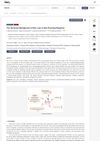
research The Hormonal Background of Hair Loss in Non-Scarring Alopecias
Hormones like androgens, estrogen, thyroid hormones, and stress hormones can contribute to hair loss, and treatments target these hormonal imbalances.

research Development and evaluation of finasteride niosomes targeting to hair follicles for the management of androgenic alopecia
Finasteride niosomes were developed and found to be effective in treating hair loss, with better results than commercial minoxidil, and could be a promising topical treatment for hair loss.
research Therapy of alopecia
Minoxidil and finasteride are key treatments for hair loss.