The MPB itch aka DHT itch is very real. Chat 2/13/2023
Hair loss itch is caused by DHT attacking follicles and stimulating nerves. Finasteride users who respond well don't experience this itch.
View this post in the Community →
Similar Community Posts Join
5 / 1000+ resultscommunity Perifollicular Fibrosis and its role in androgenetic alopecia. Is Aminexil/Kopexil a must for anyone with AGA?
Aminexil/Kopexil may help reduce hair loss by addressing perifollicular fibrosis in androgenetic alopecia, but it lacks the extensive clinical backing of finasteride and minoxidil. Some users find it effective, but availability and cost are issues, especially in the US where it's not FDA-approved.
community DHT Harms Scalp Microbiome: DHT Itch is REAL
Increased Malassezia and Cutibacterium in the scalp microbiome are linked to higher sebum production and inflammation in androgenetic alopecia (AGA). Treatments include ciclopirox shampoo, benzoyl peroxide shampoo, clobetasol propionate, calcipotriol, minoxidil, finasteride, and dutasteride.
community Why does the same hormone grow your beard and destroy your hairline?
DHT promotes beard growth but causes scalp hair loss due to inflammation and fibrosis. Treatments like finasteride and minoxidil help with hormonal signals and blood flow but don't address underlying inflammation.
community Reducing Fibrosis in Hair Loss: Topical Pirfenidone
Topical pirfenidone is highlighted as an effective anti-inflammatory and anti-fibrotic treatment for hair loss, particularly in addressing perifollicular fibrosis, which may enhance the effectiveness of standard treatments like finasteride and minoxidil. The user also uses calcipotriol, MCT oil, ciclopirox shampoo, and benzoyl peroxide shampoo as part of their regimen.
community Efficacy and Tolerability of N-Acetyl-Cysteine for Treatment of The Early-onset Androgenetic Alopecia in Men
N-Acetyl-Cysteine (NAC) was found to improve hair parameters in men with early-onset androgenetic alopecia, showing increased terminal hair count and decreased vellus hair count, with good tolerability. NAC, used alone or with minoxidil, may help due to its antioxidant properties, though its effectiveness can vary among individuals.
Related Research
6 / 1000+ results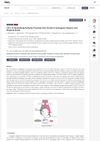
research CXCL12 Neutralizing Antibody Promotes Hair Growth in Androgenic Alopecia and Alopecia Areata
Blocking the protein CXCL12 with a specific antibody can increase hair growth in common hair loss conditions.
research Investigating the Safety and Efficacy of Platelet-Rich Plasma (PRP) Treatment for Female Androgenetic Alopecia: Review of the Literature
PRP treatment may promote hair growth and improve hair density in women with AGA, but more research is needed.
research Minoxidil: a comprehensive review
Minoxidil effectively treats hair loss, especially androgenetic alopecia, but needs more research for better understanding.
research The Extract of Periplaneta americana (L.) Promotes Hair Regrowth in Mice with Alopecia by Regulating the FOXO/PI3K/AKT Signaling Pathway and Skin Microbiota
Periplaneta americana extract helps hair regrowth in mice with alopecia.
research Overactive bladder in men
Finasteride increases hair count and improves hair growth with low risk of side effects.

research Proceedings of the Ninth World Congress for Hair Research (2015)
The 2015 Hair Research Congress concluded that stem cells, maraviroc, and simvastatin could potentially treat Alopecia Areata, topical minoxidil, finasteride, and steroids could treat Frontal Fibrosing Alopecia, and PTGDR2 antagonists could also treat alopecia. They also found that low-level light therapy could help with hair loss, a robotic device could assist in hair extraction, and nutrition could aid hair growth. They suggested that Alopecia Areata is an inflammatory disorder, not a single disease, indicating a need for personalized treatments.