Thought I should share progression of my hormone levels over time Finasteride/Dutasteride 10/16/2024
The user shared their hormone levels over time while using finasteride and dutasteride for hair loss. They experienced a significant drop in DHT levels but continued to lose hair, hoping for better results in the future.
View this post in the Community →
Similar Community Posts Join
5 / 1000+ resultscommunity Hormone level test results before starting topical liposomal finasteride: is my DHT level too high?
The conversation discusses using topical liposomal finasteride for hair loss, with concerns about high DHT levels. The user's DHT level is above the normal range, which may affect hair health.
community Estradiol (E2), Testosterone and DHT levels after 1 month on Dutasteride
Dutasteride and finasteride are used for hair loss, affecting hormone levels like DHT and testosterone. Hormone balance is crucial, as changes can lead to side effects such as increased estradiol and potential hair loss.
community Dutasteride mesotherapy doesn’t impact your bodies serum hormone levels?
Dutasteride mesotherapy may stabilize hair loss and improve hair without significantly affecting serum DHT levels, but it can still have systemic effects. Users discuss using topical and oral dutasteride, with some experiencing side effects and considering hair transplants.
community Any treatment not nuking systemic DHT levels?
Hair loss treatments that avoid significantly lowering systemic DHT levels, focusing on topical options like dutasteride mesotherapy, minoxidil, and ketoconazole. The user is exploring alternatives like KX-826 and RU58841 due to concerns about hormone levels.
community Dutasteride absolutely nukes hair DHT
Dutasteride significantly reduces DHT levels, potentially more effectively than finasteride, and is used to treat hair loss. Some users report side effects like reduced libido and mood changes, while others experience hair regrowth and increased testosterone.
Related Research
6 / 1000+ results
research 5α-reductase Inhibitors: Finasteride and Dutasteride in Feminising Therapy
Finasteride and dutasteride have limited use in feminising therapy and are not recommended for routine use.
research Managing patterned hair loss – a hair raising task!
Hair loss can be managed with treatments like minoxidil, finasteride, and others, but there are still gaps in effectiveness and off-label usage is increasing.
research The Effect of 5α-Reductase Inhibition with Dutasteride and Finasteride on Semen Parameters and Serum Hormones in Healthy Men
Dutasteride and finasteride may reduce sperm count and volume but don't affect movement or shape; effects are reversible after stopping.

research Addressing Androgenetic Alopecia-A Complex Disorder-with a Multilateral Treatment Strategy
Treating hair loss effectively may require a multi-sided approach, using different treatments together, and topical treatments could be more effective and safer than oral ones.

research Current understanding and treatment of sex hormone-related hair diseases
Sex hormones affect hair growth and loss, and treatments for related hair diseases include various medications, hair transplantation, and light therapy.
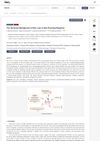
research The Hormonal Background of Hair Loss in Non-Scarring Alopecias
Hormones like androgens, estrogen, thyroid hormones, and stress hormones can contribute to hair loss, and treatments target these hormonal imbalances.