ascorbic acid
aka - Ascorbate
- L-ascorbic acid
Research
20 / 1000+ results
research The Hair Growth Promoting Effect of Ascorbic Acid 2-Phosphate, a Long-Acting Vitamin C Derivative
A long-acting Vitamin C derivative helps hair grow by stimulating cells and increasing growth factors.
research Fabrication of Thymoquinone and Ascorbic Acid-Loaded Spanlastics Gel for Hyperpigmentation: In Vitro Release, Cytotoxicity, and Skin Permeation Studies
The gel is a safe and effective treatment for hyperpigmentation.
research Thomas Hindson and His Discovery of Ascorbic Acid to Treat Prickly Heat
Vitamin C was found to effectively treat prickly heat in children.

research Progress in the Design of Ascorbic Acid Derivative-Mediated Drug Delivery
Ascorbic acid derivatives improve drug delivery systems.
research In Vitro Assessment of Deodorant Ingredients and Malodor Inhibiting Potentials of Ascorbic Acid, Orlistat, and Mastic Gum
Ascorbic acid, orlistat, and mastic gum can effectively reduce sweat odor.
research Ascorbic Acid 2-Phosphate Promotes Hair Growth
research L-Ascorbic Acid 2-Phosphate Promotes Elongation of Hair Shafts via the Secretion of Insulin-Like Growth Factor-1 from Dermal Papilla Cells Through Phosphatidylinositol 3-Kinase
Vitamin C derivative helps hair grow longer by making cells produce a growth factor through a specific cellular pathway.
research Induction of Versican by Ascorbic Acid 2-Phosphate in Dermal Papilla Cells
Vitamin C derivative increases versican in cells, potentially aiding hair growth.
research Transcriptional Activation of CCN1 and CCN2, Targets of Canonical Wnt Signal, by Ascorbic Acid 2-Phosphate in Human Dermal Papilla Cells
Vitamin C derivative may promote hair growth by activating specific genes.
research L-Ascorbic Acid 2-Phosphate Represses Dihydrotestosterone-Induced Dickkopf-1 Expression in Human Balding Dermal Papilla Cells
Vitamin C derivative reduces hair loss-related protein in cells.
research Stability Studies on L-Ascorbic Acid DL-Alpha-Tocopherol Phosphoric Acid Diester Potassium Salt (EPC-K)
EPC-K is stable except at very acidic pH or when exposed to sunlight, and it can decompose in low ethanol concentrations.
research Photo-Responsive Ascorbic Acid-Modified Ag2S–ZnS Heteronanostructure Dropping pH to Trigger Synergistic Antibacterial and Bohr Effects for Accelerating Infected Wound Healing
A new light-activated treatment speeds up healing of infected wounds without antibiotics.
research Anticancer Activities of Resveratrol Alone and in Combination with Ascorbic Acid
Resveratrol works against cancer, and it's even better with vitamin C.
research Transcriptome Analysis of Skin from SMP30/GNL Knockout Mice Reveals the Effect of Ascorbic Acid Deficiency on Skin and Hair
Vitamin C deficiency changes gene expression, affecting skin and hair health.

research Microneedles as the Technique of Drug Delivery Enhancement in Diverse Organs and Tissues
Microneedles improve drug delivery in various body parts, are safe and painless, and show promise in cosmetology, vaccination, insulin delivery, and other medical applications.
research Ultrasonic-Assisted Extraction and In-Vitro Antioxidant Activity of Polysaccharide from Hibiscus Leaf
The study found an efficient method to extract antioxidants from Hibiscus leaves.
research Sjögren's Syndrome in Scurvy
Scurvy may cause symptoms similar to Sjögren's syndrome, which disappear with vitamin C.
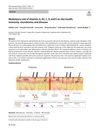
research Modulatory Role of Vitamins A, B3, C, D, and E on Skin Health, Immunity, Microbiome, and Diseases
Vitamins A, B3, C, D, and E can improve skin health and immunity.

research The Impact of Individual Lifestyle and Status on the Acquisition of COVID-19: A Case-Control Study
Your lifestyle and health can affect your chances of getting COVID-19; not enough sleep, lots of exercise, and hair loss can increase risk, while washing hands, eating fruit daily, and taking vitamins A and C can lower it.
research Scurvy Presenting With Cutaneous and Articular Signs and Decrease in Red and White Blood Cells
Vitamin C is essential to prevent scurvy and its symptoms.