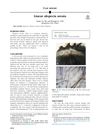
 December 2022 in “Dermatology and Therapy”
 Alopecia areata needs more recognition and better treatment access in Latin America to improve patient care and outcomes.
34 citations
,
November 2022 in “Clinical and Experimental Dermatology” People with alopecia areata are more likely to have other immune-related conditions.
 56 citations
,
January 2021 in “Clinical and Experimental Medicine”
56 citations
,
January 2021 in “Clinical and Experimental Medicine” The document concludes that while there are various treatments for Alopecia Areata, there is no cure, and individualized treatment plans are essential due to varying effectiveness.
August 2019 in “Archivos de medicina” Many students at the University of Manizales experience hair loss, needing urgent help.
130 citations
,
February 2019 in “JEADV. Journal of the European Academy of Dermatology and Venereology/Journal of the European Academy of Dermatology and Venereology” JAK inhibitors are effective for treating alopecia areata, with most patients seeing hair growth after treatment.
 56 citations
,
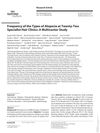
January 2019 in “Skin appendage disorders”
56 citations
,
January 2019 in “Skin appendage disorders” The most common hair loss type at specialist clinics is androgenetic alopecia, especially in younger men, followed by alopecia areata and telogen effluvium, with differences seen across regions.
 148 citations
,
December 2018 in “Journal of autoimmunity”
148 citations
,
December 2018 in “Journal of autoimmunity” Alopecia areata is an autoimmune disease causing patchy hair loss, often with other autoimmune disorders, but its exact causes are unknown.
 2 citations
,
November 2018 in “Medunab”
2 citations
,
November 2018 in “Medunab” Low ferritin levels are linked to chronic hair loss in women.
 100 citations
,
July 2018 in “Journal of The American Academy of Dermatology”
100 citations
,
July 2018 in “Journal of The American Academy of Dermatology” People with alopecia areata often have other health issues like skin diseases, metabolic syndrome, stomach infections, lupus, anemia, thyroid problems, mental health issues, vitamin D deficiency, and hearing and eye problems.
 19 citations
,
January 2018
19 citations
,
January 2018 Most people with alopecia areata have nail changes, which are common but don't greatly affect their quality of life.
 7 citations
,
January 2017 in “Dermatology”
7 citations
,
January 2017 in “Dermatology” People who get alopecia areata after age 50 usually have mild symptoms, high chances of hair regrowth, and often have other health conditions.
 144 citations
,
July 2015 in “Clinical, Cosmetic and Investigational Dermatology”
144 citations
,
July 2015 in “Clinical, Cosmetic and Investigational Dermatology” Alopecia areata is a common autoimmune disease affecting about 2% of people, causing significant disability and often associated with mental health issues and other autoimmune conditions.
110 citations
,
December 2013 in “The journal of investigative dermatology. Symposium proceedings/The Journal of investigative dermatology symposium proceedings” Alopecia areata is a genetic and immune-related hair loss condition that is often associated with other autoimmune diseases and does not typically cause permanent damage to hair follicles.
275 citations
,
November 2002 in “International Journal of Dermatology” Alopecia areata mainly affects young people and has significant psychological impacts, especially in males.