1 citations
,
September 2024 in “Reports of Vinnytsia National Medical University” Urticaria patients have different skinfold thickness patterns compared to healthy individuals, with some variations between men and women.
7 citations
,
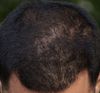
May 2024 in “Life” Younger people may have a higher risk of hair loss due to poor nutrition and lifestyle.
75 citations
,
March 2023 in “JAMA Dermatology” Alopecia areata and its severe forms are becoming more common, especially among females, adults, and people in the Northeast.
18 citations
,
November 2022 in “The Journal of Dermatology” Alopecia areata affects 1.45% of people in Japan, impacting mood and self-esteem, with many not seeking treatment.
 11 citations
,
July 2022 in “Frontiers in immunology”
11 citations
,
July 2022 in “Frontiers in immunology” Cases of alopecia areata and its impact on life quality rose globally, but when adjusted for age, the rates decreased, especially in poorer regions.

Androgenetic alopecia, or hair loss, is caused by a mix of genetics, hormones, and environment, where testosterone affects hair growth and causes hair to become smaller and grow for a shorter time.
3 citations
,
December 2021 in “Acta dermato-venereologica” People with androgenetic alopecia have a higher risk of metabolic syndrome.
5 citations
,
February 2021 in “JCPSP. Journal of the College of Physicians & Surgeons Pakistan” Early-onset hair loss in young males is linked to a higher risk of metabolic syndrome.
63 citations
,
March 2020 in “Clinical Cosmetic and Investigational Dermatology” Alopecia areata affects many in the US, impacting quality of life, with limited treatment options.
 13 citations
,
February 2020 in “Clinical, Cosmetic and Investigational Dermatology”
13 citations
,
February 2020 in “Clinical, Cosmetic and Investigational Dermatology” Men with hair loss have higher BMI, waist size, blood pressure, and are linked to smoking and inactivity.
 23 citations
,
August 2018 in “Anais Brasileiros De Dermatologia”
23 citations
,
August 2018 in “Anais Brasileiros De Dermatologia” Both androgenetic alopecia and alopecia areata negatively impact quality of life, with no significant difference between them.
 191 citations
,
May 2018 in “British journal of dermatology/British journal of dermatology, Supplement”
191 citations
,
May 2018 in “British journal of dermatology/British journal of dermatology, Supplement” Alopecia areata is likely an autoimmune disease with unclear triggers, involving various immune cells and molecules, and currently has no cure.
 58 citations
,
January 2018 in “International Journal of Women's Dermatology”
58 citations
,
January 2018 in “International Journal of Women's Dermatology” Alopecia significantly lowers women's quality of life, with psychological and social challenges, highlighting the importance of early treatment and support.
 37 citations
,
February 2017 in “Anais Brasileiros De Dermatologia”
37 citations
,
February 2017 in “Anais Brasileiros De Dermatologia” AGA more common in men, increases with age, linked to family history, hypertension, dyslipidemia, and smoking.
 128 citations
,
February 2016 in “British Journal of Dermatology”
128 citations
,
February 2016 in “British Journal of Dermatology” Alopecia areata significantly lowers the quality of life, especially in emotional and mental health aspects.
 4 citations
,
January 2016 in “Annals of Dermatology”
4 citations
,
January 2016 in “Annals of Dermatology” More severe hair loss links to thicker heart fat, suggesting possible heart disease risk.
 144 citations
,
July 2015 in “Clinical, Cosmetic and Investigational Dermatology”
144 citations
,
July 2015 in “Clinical, Cosmetic and Investigational Dermatology” Alopecia areata is a common autoimmune disease affecting about 2% of people, causing significant disability and often associated with mental health issues and other autoimmune conditions.
 15 citations
,
January 2015 in “Dermatology Research and Practice”
15 citations
,
January 2015 in “Dermatology Research and Practice” No clear link between hair loss and metabolic syndrome, but some differences in blood pressure and glucose levels.