 4 citations
,
January 2020 in “Skin appendage disorders”
4 citations
,
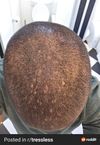
January 2020 in “Skin appendage disorders” A woman with an unusual pattern of hair loss was confirmed to have Frontal Fibrosing Alopecia and treated with specific medications.
 2 citations
,
August 2010 in “Journal of the American Academy of Dermatology”
2 citations
,
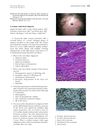
August 2010 in “Journal of the American Academy of Dermatology” A 65-year-old woman has a growing bald spot on her scalp.
May 2026 in “International Journal of Dermatology” This study investigates a unique presentation of alopecia areata (AA) that resembles frontal fibrosing alopecia (FFA), characterized by frontotemporal hairline recession with isolated single hairs. Involving 56 patients, the study found that more than half had a history of patchy AA, and trichoscopy revealed a predominance of 1-hair follicular units at the hairline. Histopathology showed preserved pilosebaceous units and increased telogen follicles without scarring. Treatment outcomes indicated limited improvement, with a median SALT score change of 0% at 3 months and 18.4% at 6 months. Only 20% of patients showed significant improvement by the last follow-up. Compared to patchy AA, this phenotype had a lower response to corticosteroids at 3 months. The findings suggest a chronic course with limited hair regrowth for this FFA-like AA phenotype.
 2 citations
,
October 2017 in “Journal of The American Academy of Dermatology”
2 citations
,
October 2017 in “Journal of The American Academy of Dermatology” Focal atrichia helps diagnose female pattern hair loss.
April 2021 in “Aktuelle Dermatologie” Frontal Fibrosing Alopecia is a type of hair loss that mainly affects postmenopausal women, has unclear causes, and lacks evidence-based treatments.