TLDR Identical twins both had a rare hair loss condition, suggesting it might be genetic.
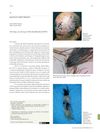
The document reported a case of 32-year-old identical female twins who both experienced folliculitis decalvans, a chronic condition leading to permanent hair loss. The twins had relapsing pruritic outbreaks on their scalps, resulting in bald patches, and Staphylococcus aureus was found in their lesions. Histopathology confirmed the diagnosis, and immunological tests showed no immune system alterations. This was the first known report of folliculitis decalvans in identical twins, suggesting a potential genetic component to the disease.

44 citations
,
April 2012 in “American Journal of Clinical Dermatology” Scarring alopecias are complex hair loss disorders that require early treatment to prevent permanent hair loss.
September 2023 in “International Journal of Trichology” Early treatment of Folliculitis Decalvans in children can improve inflammation and partially regrow hair.
4 citations
,
November 2021 in “Biomedicines” New digital tools are improving the diagnosis and understanding of irreversible hair loss conditions.
January 2026 in “Clinical Cosmetic and Investigational Dermatology” Early diagnosis and targeted anti-inflammatory treatments can improve outcomes in androgenetic alopecia with perifollicular inflammation and fibrosis.
37 citations
,
May 1999 in “Australasian Journal of Dermatology” Early diagnosis and treatment are crucial for preventing permanent hair loss in various scalp conditions, and while new treatments are promising, more research is needed to evaluate their effectiveness.