Hair Loss Disorders in Domestic Animals

    Aiden Foster
    Image of study
    TLDR The book helps veterinarians understand and treat hair loss in animals.
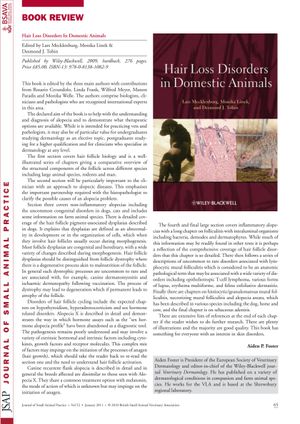
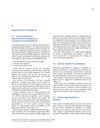
    The book "Hair Loss Disorders in Domestic Animals," edited by Lars Mecklenburg, Monika Linek, and Desmond J. Tobin, aimed to enhance understanding and diagnosis of alopecia in animals and to present therapeutic options. It was intended for veterinarians, pathologists, and dermatology students. The book covered hair follicle biology, approaches to diagnosing alopecic diseases, non-inflammatory alopecias, and inflammatory alopecias. It included detailed discussions on conditions like hypothyroidism, hyperadrenocorticism, Alopecia X, and canine recurrent flank alopecia, as well as rare disorders such as lymphocytic mural folliculitis and alopecia areata. The book was well-illustrated and included extensive references for further research.

    Discuss this study in the Community →

    Related Community Posts Join

    6 / 1000+ results
      If You Have DUPA, PLEASE READ THIS: Everyone Should Be Scalp Biopsied

      community If You Have DUPA, PLEASE READ THIS: Everyone Should Be Scalp Biopsied

      in Research  830 upvotes 1 year ago
      Scalp biopsies are crucial for diagnosing hair loss conditions like Diffuse Unpatterned Alopecia (DUPA) and retrograde hair loss, as treatments like finasteride and dutasteride may not be effective if other conditions are present. Combining PPAR-GAMMA agonists with retinoids could improve treatments for conditions like Lichen Planopilaris.

      community Occipitalis Muscle Tension Theory

      in Treatment  8 upvotes 3 weeks ago
      Scalp tension from the occipitalis muscle is theorized to contribute to hair loss, but most believe DHT and genetics are the main causes. Treatments like finasteride and minoxidil are considered more effective than addressing scalp tension.

      community Opinions on Scalp fibrosis and DHT?

      in Research/Science  9 upvotes 3 years ago
      The conversation discusses the theory that scalp fibrosis contributes to male pattern baldness (MPB) by increasing DHT concentration, and mentions treatments like Minoxidil. The user seeks opinions on the theory and the effectiveness of scalp massages.

      community My Theory Of Androgenic Alopecia

      in Research/Science  21 upvotes 3 months ago
      Hair loss is linked to cellular physiology and the IGF-1 to TGF-B1 ratio, not just androgen sensitivity. The theory lacks evidence, while finasteride and minoxidil are effective treatments.

      community Why is dht bad for scalp hair but good for hair on the rest of body?

      in Satire  109 upvotes 2 years ago
      The conversation discusses why DHT (dihydrotestosterone) negatively affects scalp hair but promotes growth elsewhere on the body. Various opinions include genetic predispositions, differences in hair follicle reactions to DHT, and the potential role of Omega-3 in reducing inflammation and promoting hair health.

    Similar Research

    5 / 1000+ results