TLDR Micro-injury can help regrow hair and repigment vitiligo by activating specific cells.
The study demonstrated that controlled micro-injury effectively induced hair regeneration and vitiligo repigmentation by activating specific stem cells and shifting hair follicles from the telogen to anagen phase. In a vitiligo model, micro-injury prompted melanocyte stem cells to migrate and repopulate depigmented areas. The Wnt/β-catenin pathway was identified as crucial in this regeneration process. This research suggested that micro-injury could be a promising treatment method for conditions like alopecia and vitiligo.

163 citations
,
April 2019 in “Nature Communications” Mechanical stretching of the skin can promote hair growth by activating certain immune cells.
236 citations
,
April 2015 in “Cell” Plucking some hairs can trigger nearby unplucked hairs to grow back more due to a collective response.
829 citations
,
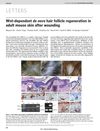
May 2007 in “Nature” Hair follicles can regrow in wounded adult mouse skin using a process like embryo development.
16 citations
,
January 2023 in “Molecular Biomedicine” 3D-printed microneedles can precisely regrow hair in targeted areas.
September 2025 in “PubMed” Mechanical stimulation and new therapies show promise for hair regrowth.
2 citations
,
July 2022 in “Frontiers in Medicine” Combining minoxidil with microneedling or spironolactone is more effective for female hair loss than using minoxidil alone.
5 citations
,
October 2022 in “BMC genomics” Certain microRNAs are important for sheep hair follicle development and could help improve wool quality.
August 2024 in “Journal of Clinical Medicine” Low-level laser therapy is the most supported treatment for hair loss, but other methods show promise.