Mogamulizumab-Induced Alopecia: Multicentric Case Series - Clinical, Trichoscopic, and Histological Characterization
February 2025
in “
Journal of the European Academy of Dermatology and Venereology
”
TLDR Mogamulizumab can cause hair loss, often linked to a better treatment response.
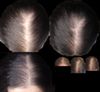
This study investigates mogamulizumab-induced alopecia in 11 patients with mycosis fungoides or Sézary syndrome across three hospitals. Alopecia occurred after a median of 5 months of treatment, with 8 patients in complete remission at onset. The study found that mogamulizumab-associated rash (MAR) is common and may indicate a better treatment response. Trichoscopic and histological findings in MAR differ from those in folliculotropic mycosis fungoides, with notable features such as interfollicular scaling and follicular hyperkeratosis. Management included corticosteroids and other treatments, with varying degrees of hair regrowth. The proposed mechanism involves increased CD8+ T-cell activity due to loss of immune control. Further research is needed to clarify these findings.