TLDR PCOS in teens causes hormonal imbalances, irregular periods, and can lead to infertility and other health issues.
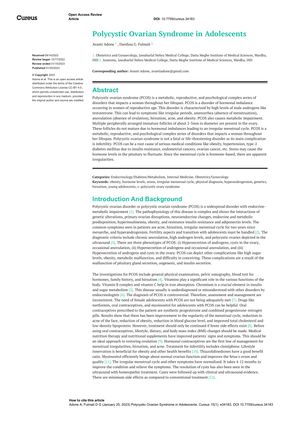
Polycystic ovarian syndrome (PCOS) is a complex disorder affecting women of reproductive age, characterized by hormonal imbalances with elevated male androgens like testosterone. This leads to symptoms such as irregular periods, amenorrhea, anovulation, hirsutism, acne, and obesity. PCOS is associated with metabolic impairments and can result in infertility, though it is not life-threatening. It can also contribute to serious health conditions like obesity, hypertension, type-2 diabetes due to insulin resistance, and certain cancers. Stress can exacerbate hormonal fluctuations, further affecting the menstrual cycle.
 15 citations
,
April 2019 in “Best Practice & Research Clinical Endocrinology & Metabolism”
15 citations
,
April 2019 in “Best Practice & Research Clinical Endocrinology & Metabolism” Polycystic Ovary Syndrome (PCOS) in teenagers is a complex condition linked to genetics and environment, often associated with obesity and insulin resistance, and is treated with lifestyle changes and medication.
 257 citations
,
July 2018 in “Obstetrics & Gynecology”
257 citations
,
July 2018 in “Obstetrics & Gynecology” PCOS is a complex disorder in women that can lead to various health risks and requires personalized treatment.
317 citations
,
April 2018 in “Journal of steroid biochemistry and molecular biology/The Journal of steroid biochemistry and molecular biology” PCOS is a complex condition in women that can lead to health issues, and lifestyle changes are the best management approach.
 1265 citations
,
October 2013 in “The Journal of Clinical Endocrinology and Metabolism”
1265 citations
,
October 2013 in “The Journal of Clinical Endocrinology and Metabolism” The guideline suggests using specific criteria to diagnose PCOS, recommends various treatments for its symptoms, and advises screening for related health issues.
 70 citations
,
April 2013 in “Endocrine”
70 citations
,
April 2013 in “Endocrine” Lifestyle changes improve metabolism and fertility in overweight PCOS patients; anti-obesity drugs show potential but need more research.