Phase II Study of Safusidenib Erbumine in Patients with Chemotherapy- and Radiotherapy-Naïve Isocitrate Dehydrogenase 1-Mutated WHO Grade 2 Gliomas
November 2025
in “
Neuro-Oncology
”
TLDR Safusidenib erbumine shows promise as a treatment for certain brain tumors, but mild side effects like hair loss need attention.
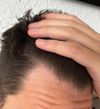
This Phase II study evaluated safusidenib erbumine in 27 patients with chemotherapy- and radiotherapy-naïve IDH1-mutated WHO grade 2 gliomas, showing a confirmed objective response rate of 44.4% and an event-free probability of 87.9% at 24 months, indicating promising antitumor activity. The safety profile was manageable, with common mild to moderate adverse events such as alopecia (59.3%), arthralgia (55.6%), and skin hyperpigmentation (48.1%). The study suggests safusidenib erbumine as a potential treatment option, addressing a critical unmet need in managing WHO grade 2 gliomas, though safety concerns like alopecia need to be managed.