Characterization of Post-COVID Syndrome by Self-Perceived Symptom Severity Stratified by Infection Wave: Beyond COVID, A Prospective, Multicenter Cohort Study in Germany
May 2026
in “
Infection
”
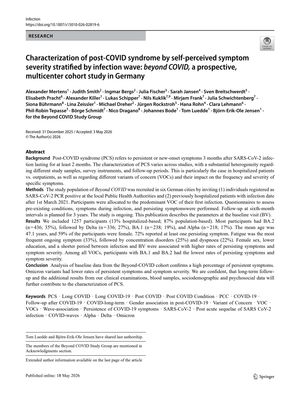
TLDR Most people with post-COVID syndrome experience symptoms like fatigue, but Omicron variants cause fewer persistent symptoms.
The study on post-COVID syndrome (PCS) in Germany involved 1,257 participants, with 13% hospitalized and 87% from the general population. It found that 72% reported at least one persisting symptom, with fatigue (33%), concentration disorders (25%), and dyspnoea (22%) being the most common. The study highlighted that female sex, lower education, and a shorter time between infection and baseline visit were linked to higher symptom persistence and severity. Notably, Omicron variants (BA.1 and BA.2) were associated with lower rates of persistent symptoms and severity. The ongoing study aims to further characterize PCS through long-term follow-up and additional data collection.