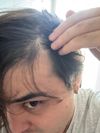
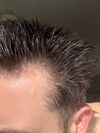
Original Study: Prevalence and Clinical Types of Androgenetic Alopecia in Koreans

    January 1995 in “ 대한피부과학회지
    유재학, 은희철, 김계정, 문상은
    TLDR Koreans have a lower rate of androgenetic alopecia than Caucasians, with men experiencing later baldness.
    The study aimed to determine the prevalence and types of androgenetic alopecia in Koreans and compare it with Caucasians. Conducted from July to September 1993, it involved 1,224 males and 1,094 females. Results showed that in Korean men, the prevalence of androgenetic alopecia increased with age but remained lower than in Caucasians until the seventies, after which it became similar. Korean women had a lower prevalence than Caucasian women until their fifties, with a marked increase after their sixties. Overall, the prevalence of androgenetic alopecia in Koreans was lower than in Caucasians, with Korean men experiencing a later onset of baldness and more preservation of the frontal hairline.
    Discuss this study in the Community →

    Related Community Posts Join

    6 / 1000+ results
      If You Have DUPA, PLEASE READ THIS: Everyone Should Be Scalp Biopsied

      community If You Have DUPA, PLEASE READ THIS: Everyone Should Be Scalp Biopsied

      in Research  830 upvotes 1 year ago
      Scalp biopsies are crucial for diagnosing hair loss conditions like Diffuse Unpatterned Alopecia (DUPA) and retrograde hair loss, as treatments like finasteride and dutasteride may not be effective if other conditions are present. Combining PPAR-GAMMA agonists with retinoids could improve treatments for conditions like Lichen Planopilaris.
      Should i be worried dut 6 months

      community Should i be worried dut 6 months

      in General  121 upvotes 2 days ago
      The user has been using finasteride and minoxidil, then switched to dutasteride and minoxidil for six months without significant results, noticing thinning after increasing creatine dosage. They plan to consult a dermatologist to explore potential causes beyond androgenetic alopecia.

      community scarring alopecia awareness in this community

      in Chat  33 upvotes 3 years ago
      Lichen Planopilaris (LPP), a form of permanent hair loss, which can be mistaken for seborrheic dermatitis and is characterized by scalp itching, burning, redness, and dandruff. Treatment options discussed include steroidal creams, finasteride, minoxidil, and RU58841.

      community Anyone else realize how many younger guys are balding?

      in Chat  262 upvotes 1 year ago
      Many younger men are experiencing hair loss due to genetics, diet, stress, and lifestyle changes. Treatments like finasteride and minoxidil are mentioned, with some users noting improvements.

      community 1 year on fin. No results. I give up.

      in Finasteride/Dutasteride  43 upvotes 3 years ago
      A user who has been taking finasteride, minoxidil, and microneedling for one year with no results, and the replies discuss other treatments, including dutasteride, which is feared due to potential side effects.

    Similar Research

    6 / 1000+ results
      Update on Frontal Fibrosing Alopecia

      research Update on Frontal Fibrosing Alopecia

      2 citations , April 2017 in “Actas Dermo-Sifiliográficas”
      Best treatment for Frontal Fibrosing Alopecia is 5-alpha-reductase inhibitors and intralesional corticosteroids.
      Imposters of Androgenetic Alopecia

      research Imposters of Androgenetic Alopecia

      9 citations , August 2013 in “Facial Plastic Surgery Clinics of North America”
      Recognize and treat hair loss conditions that mimic androgenetic alopecia by identifying warning signs and using proper tools.

      research Frontal Postmenopausal Alopecia

      8 citations , January 2002 in “Piel”
      Postmenopausal women may experience frontal hairline and eyebrow loss due to cicatricial fibrosis.
      Reassessing Frontal Fibrosing Alopecia

      research Reassessing Frontal Fibrosing Alopecia

      1 citations , October 2008 in “Expert Review of Dermatology”
      Frontal Fibrosing Alopecia is a slowly progressing hair loss condition, likely underdiagnosed, with ineffective treatments, needing more research to understand it fully.