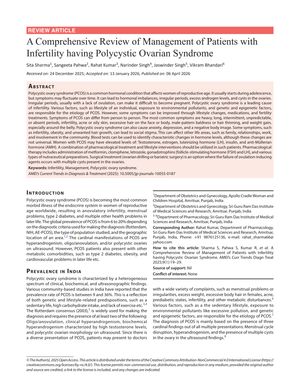
Polycystic ovary syndrome (PCOS) is a prevalent hormonal disorder affecting women of reproductive age, often leading to infertility due to irregular ovulation. The condition is influenced by lifestyle, environmental, genetic, and epigenetic factors, and presents with symptoms like irregular periods, excess androgen levels, acne, hair thinning, and weight gain. Management of PCOS involves a combination of lifestyle changes and pharmacological treatments, including metformin, clomiphene, letrozole, and gonadotrophins, with surgical options like ovarian drilling available for resistant cases. Blood tests can help identify hormonal imbalances, although these are not consistent across all patients. PCOS can also impact mental health and social life, contributing to anxiety, depression, and social stigma.

8 citations
,
August 2023 in “The Journal of Clinical Endocrinology and Metabolism” Follow the latest international guidelines to assess and manage Polycystic Ovary Syndrome effectively.
254 citations
,
March 2023 in “Diagnostics” The guidelines suggest reconsidering PCOS criteria for better diagnosis and care.
135 citations
,
April 2017 in “Advances in Clinical and Experimental Medicine” New treatments for PCOS show promise, including both medication and non-medication options.
767 citations
,
September 2016 in “Human Reproduction” Polycystic ovary syndrome affects about 6-10% of women, with varying symptoms and the need for standardized global definitions.
1265 citations
,
October 2013 in “The Journal of Clinical Endocrinology and Metabolism” The guideline suggests using specific criteria to diagnose PCOS, recommends various treatments for its symptoms, and advises screening for related health issues.
198 citations
,
July 2011 in “Cochrane library” Lifestyle changes can improve body composition, excess male hormone levels, and insulin resistance in women with PCOS.
991 citations
,
January 2011 in “Nature Reviews Endocrinology” The document concludes that PCOS is a complex disorder caused by both genetic and environmental factors, affecting women's health in various ways, and requires personalized treatment.
4809 citations
,
January 2004 in “Fertility and Sterility” The 2003 consensus updated PCOS diagnosis criteria and highlighted increased risks of diabetes and heart disease for those affected.