A Case of Severe Hyperandrogenism, Acanthosis Nigricans, and Overt Diabetes: The Use of Non-Invasive Methods for Diagnosis, Pathogenesis, and Management
January 1996
in “
Gynecological endocrinology
”
TLDR Non-invasive imaging helped diagnose a woman's severe hormone imbalance and diabetes, and medication successfully treated her condition.
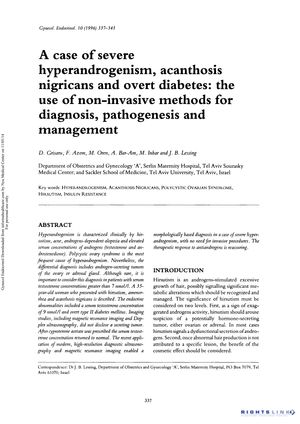
In 1996, a study described a 35-year-old woman with severe hyperandrogenism, evidenced by symptoms such as hirsutism, amenorrhea, and acanthosis nigricans, and confirmed by a high serum testosterone concentration of 9 nmol/l, along with overt type II diabetes mellitus. Despite the high testosterone levels suggesting a possible androgen-secreting tumor, imaging techniques like MRI and Doppler ultrasonography found no tumor. Treatment with cyproterone acetate normalized the testosterone levels. This case highlighted the utility of non-invasive, high-resolution imaging for diagnosing severe hyperandrogenism without the need for invasive procedures, and the effectiveness of antiandrogen therapy in managing the condition.