TLDR A boy with alopecia regrew hair using a vitamin D cream after other treatments failed.
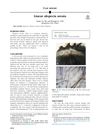
In 2012, a 7-year-old boy with alopecia areata (AA) experienced complete hair regrowth after being treated with topical calcipotriol, a vitamin D analog, once daily for 3 months. Previous treatments, including topical minoxidil and hydrocortisone cream, had been unsuccessful. Hair growth began at 6 weeks, with full regrowth at 3 months, and no relapse occurred in the subsequent 6 months. Post-treatment, there was an increase in vitamin D receptor expression in the hair follicles. This single case indicates that vitamin D analogs could be a viable treatment for AA, particularly when standard treatments fail, but more research is needed to confirm its effectiveness in a larger population.
244 citations
,
January 2010 in “Journal of the American Academy of Dermatology” The document says current treatments for alopecia areata do not cure or prevent it, and it's hard to judge their effectiveness due to spontaneous remission and lack of studies.
36 citations
,
January 2010 in “Journal of Pediatric Endocrinology and Metabolism” A new gene mutation causes vitamin D resistance and hair loss in two unrelated girls.
 14 citations
,
January 2008 in “Dermatology”
14 citations
,
January 2008 in “Dermatology” Vitamin D made by the skin plays a role in immune defense and skin health, and more research is needed to understand its full effects.
95 citations
,
July 2006 in “British Journal of Dermatology” Vitamin D receptors in hair follicles change with the hair cycle, affecting hair growth.
 182 citations
,
October 2003 in “British Journal of Dermatology”
182 citations
,
October 2003 in “British Journal of Dermatology” The 2003 guidelines suggest that while some treatments can regrow hair in alopecia areata, none alter the disease's progression, and wigs may be the best option for extensive hair loss.
180 citations
,
January 2002 in “The journal of investigative dermatology/Journal of investigative dermatology” Vitamin D Receptor is crucial for normal skin and hair growth.
137 citations
,
April 2001 in “Journal of Clinical Investigation” Alopecia in these mice is caused by defective hair cycle communication due to missing vitamin D receptor function, not vitamin D levels.