September 2023 in “International Journal of Dermatology”
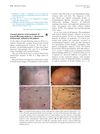
Younger people are at a higher risk for Fibrosing Alopecia in a Pattern Distribution than previously thought, with common symptoms and possible involvement of mast cells in its development.
Male pattern baldness and diffuse thinning can both be forms of androgenetic alopecia (AGA), and it's important to consult a doctor for proper diagnosis. Treatments like Minoxidil, Finasteride, and biotin are discussed, but their effectiveness varies, and side effects are a concern.
Low-Level Laser Therapy (LLLT) is seen as a safe and effective method for maintaining hair and promoting regrowth in androgenetic alopecia (AGA) and male pattern baldness (MPB), with devices like the HairMax LaserComb® and iRestore helmet being popular. Some users and professionals are skeptical about its long-term effectiveness and cost.
A 25-year-old male experienced significant hair loss due to telogen effluvium and androgenetic alopecia. He began using finasteride, minoxidil, and vitamins, seeing some regrowth but remains worried about hair density.
TE (telogen effluvium) is often misunderstood and is triggered by severe stress or trauma, not minor daily inconveniences. Most hair loss cases are due to male pattern baldness (AGA), and treatments like Minoxidil and finasteride can help.
Excessive sugar and high-fat diets are linked to male pattern hair loss, with sweet beverages being a significant factor. Moderation in diet is advised, as diet alone may not fully prevent hair loss due to other factors like DHT sensitivity.