147 citations
,
October 2004 in “Experimental dermatology”
Hormones like testosterone affect skin functions and can cause skin issues when in excess; treatments to manage these effects are only somewhat effective.
Avicennia Marina extract and avicequinone C can reduce hair loss hormone production and increase hair growth factors, suggesting they could be used to treat androgenic alopecia.
Fluridil may decrease the number of androgen receptors in hair follicles by up to 95%. This suggests a different action mechanism from other non-steroidal antiandrogens like RU58841, indicating they might be used together.
Evidence-based treatments for androgenic alopecia, such as minoxidil, finasteride, low-level laser light therapy, dutasteride, platelet-rich plasma, and topical ketoconazole. It discusses the efficacy, safety, and mechanism of action of these treatments, as well as future developments in understanding this polygenic condition.
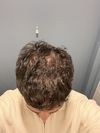
The user is experiencing hair loss, possibly due to androgenic alopecia or telogen effluvium, and is considering treatments like Minoxidil, Finasteride, or RU58841. They also mention potential iron deficiency and sleep deprivation as contributing factors.
The conversation is about the importance of acting quickly against hair loss. The user shares their experience with androgenic alopecia and mentions using finasteride without improvement.
Hair loss treatments are generally categorized as anti-androgens, like finasteride and RU58841, which prevent hair loss by targeting DHT, and growth stimulators, such as minoxidil, rosemary oil, microneedling, and LLLT, which promote hair growth by increasing blood flow and growth factors. The user is seeking to confirm these categories and understand if there are other treatments or mechanisms of action.