Various techniques and tools for hair restoration were presented in 1998, including a mathematical model for donor area, use of lasers in surgery, methods for controlling grafted hair direction, and ways to increase graft yield. Satisfaction rates were around 39%, and studies showed trauma and dehydration can damage hair follicles.
3 citations
,
December 2008 in “The American Journal of Cosmetic Surgery”
Hair transplantation has evolved to refined techniques like FUE and FUT, with Finasteride and Minoxidil as the only other proven treatments for hair loss.
A potential treatment for hair loss that involves injecting fat into the scalp; the role of testosterone and estrogen in thinning fat tissue under the skin; research on using lard to treat androgenic alopecia, as well as PRP + ACELL/amniotic stem cell treatments; and ongoing clinical trials by doctors involved in the study.
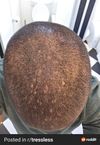
The user noticed small circular hairless spots after a buzz cut and has been using finasteride, dutasteride, and oral minoxidil for hair loss. They are experiencing continuous shedding and thinning, and it is suggested they consult a dermatologist for a scalp examination and possible biopsy to determine if it's alopecia areata or androgenetic alopecia.
A user discusses their struggle with aggressive hair loss starting at a young age and their use of various treatments, including topical finasteride, minoxidil, dutasteride, and RU58841, without significant success. Other users share their experiences and suggest trying oral finasteride or dutasteride, topical spironolactone, and maintaining a vitamin regimen, while noting potential side effects like gynecomastia.
Creatine may cause hair loss in some individuals, especially those on finasteride, despite no scientific link. Personal experiences suggest individual sensitivity to DHT could be a factor.