10 citations
,
January 2019 in “Biomarker Insights”
Scalp cooling to prevent hairloss from chemotherapy works for some but not all, and studying hair damage markers could improve prevention and treatment.
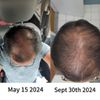
OP is using 5% minoxidil and a needler to regrow hair after chemotherapy-inducedhairloss. Another user mentions using finasteride and topical minoxidil, noting some improvement in hair density.
A satirical discussion on intentionally inducing hairloss using harmful habits and substances like cigarettes, junk food, anabolic steroids, and stress. The conversation humorously suggests extreme measures like chemotherapy and hydrofluoric acid, while also mentioning the ineffectiveness of sulfates and pumpkin seed oil in hairloss prevention.
PP405 is a new hairloss treatment in phase 2 trials that may promote hair growth by increasing lactate production and activating hair follicle stem cells. It could potentially replace hormone-disrupting treatments like Minoxidil and finasteride.
CRISPR shows promise for treating hairloss by targeting specific genes. Current treatments include Minoxidil and finasteride, but CRISPR could offer a more precise solution, though it is still expensive and in early stages.
Way-316606 is considered a potential hairloss treatment but is avoided due to safety concerns and lack of research. Minoxidil and Finasteride are preferred as established treatments.