6 citations
,
April 2012 in “Muscle & nerve” Recognizing the link between certain autoimmune disorders and neurological conditions can improve diagnosis and treatment.
39 citations
,
January 2008 in “World Journal of Gastroenterology” Pegylated interferon-alpha 2a can cause a rare nerve disorder, but early treatment can lead to full recovery.
 September 2018 in “International Journal of Dermatology”
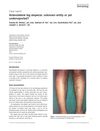
 Anterolateral leg alopecia is a benign, nonprogressive hair loss condition on the lower legs that is not well understood and may resolve on its own.
1 citations
,
February 2025 in “Journal of the Neurological Sciences” Beta-trace protein may help diagnose and predict treatment response in certain nerve disorders.
18 citations
,
January 2016 in “Journal of Clinical Medicine Research” A woman with lupus and severe nerve damage improved with specific treatments.