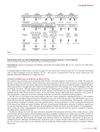
A 36-year-old woman with worsening hairloss over 10 years was treated with various medications, and after six months, her hairloss did not worsen significantly.
June 2007 in “Journal of Investigative Dermatology”
Title change to "Central Centrifugal Cicatricial Alopecia (CCCA)"; common in African American women; hair-grooming methods may contribute; no effective therapy found; trials needed.
A user is concerned that finasteride isn't working for their hairloss, questioning if it's due to male pattern baldness or low iron levels. They are advised to take finasteride daily and get blood work done.
Men with hairloss might have lichen planopilaris (LPP), which can mimic androgenetic alopecia, leading to misdiagnosis and ineffective treatment with finasteride or dutasteride. Proper diagnosis, including biopsies, is crucial to distinguish between androgenetic alopecia and conditions like LPP.
Bryan Johnson uses a custom hairloss treatment that includes topical finasteride, minoxidil, azelaic acid, diclofenac, tea tree oil, rosemary oil, ginkgo biloba, biotin, and melatonin, which have shown varying degrees of effectiveness with minimal side effects. He also undergoes PRP and laser therapy, and has tried dutasteride mesotherapy.
The conversation discusses why the difference between donor and balding hair isn't studied more to find a cure for hairloss. Treatments mentioned include Minoxidil, finasteride, and RU58841.
The conversation discusses hairloss treatments like topical finasteride with minoxidil, oral dutasteride, and essential oils. Oral treatments like dutasteride and finasteride are seen as more effective, though some prefer topicals to avoid side effects.