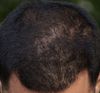
Microneedling should be done every 1-2 weeks, with a recommended wait of at least 24 hours before applying topical minoxidil. Finasteride is planned to be used daily at 1mg.
A 20-year-old male using 1mg finasteride daily and 5% minoxidil twice a day for two months reported significant hair regrowth with no side effects. Users discussed the effectiveness of these treatments, the importance of consulting a doctor, and the potential for continued improvement over time.
The user has been using topical 5% minoxidil for six months with minimal results and is worried about greasy hair and potential side effects of adding finasteride. Others suggest combining minoxidil with finasteride for better results, while discussing potential side effects like erectile dysfunction.
A user experienced significant hair loss after starting microneedling, despite using dutasteride and topical minoxidil. They are advised to consult a doctor as the shedding pattern is unusual and may indicate alopecia areata or other scalp conditions.
A 21-year-old male experiencing hair thinning started using Minoxidil, which stopped his shedding and led to the growth of vellus hairs on his temples. He is considering whether to add finasteride to his routine, which currently includes Minoxidil, derma rolling, ketoconazole shampoo, vitamin D3, zinc, and a rosemary and fenugreek lotion.
Microneedling is often combined with minoxidil for hair growth, but concerns about scalp damage, pain, and effectiveness deter some users. Alternatives like finasteride, dutasteride, tretinoin, and laser treatments are preferred by others.
The conversation discusses hair regrowth progress using finasteride, oral minoxidil, dermarolling, scalp massages, and Nizoral shampoo. Users share experiences and suggest additional treatments like dutasteride, pyrilutamide, caffeine shampoo, rosemary oil, and red light therapy.
The user started using minoxidil on May 1, 2025, and finasteride in late May 2025, along with dermarolling, saw palmetto, biotin, and a natural shampoo for hair loss treatment. They report satisfaction with progress and emphasize consistency in their regimen.
The user experienced significant hair regrowth after 6 months using oral finasteride, topical minoxidil, and a derma pen once a month. The results were impressive, with many users commenting on the transformation and asking about the specific routine and any side effects.
A user shared their 2-month progress using 5% minoxidil and microneedling for hair loss, noting no significant changes yet. The discussion includes opinions on minoxidil, finasteride, and personal experiences with hair loss treatments.
The user is using finasteride 1mg every other day and seeks a topical solution excluding minoxidil. They are considering various combinations of ingredients like finasteride, dutasteride, and tofacitinib, with options for nourishing oils and other additives.
The user is using finasteride 1mg every other day and seeks a topical solution to complement it, excluding minoxidil. They are considering various combinations of ingredients like finasteride, dutasteride, and tofacitinib, with options for nourishing oils and other additives.
The user experienced significant hair regrowth using finasteride 1mg daily, minoxidil 5% twice a day, and microneedling 3-4 times a week. They reported no side effects from finasteride and are pleased with the results, feeling more confident and maintaining a new hair baseline.
The user experienced significant hair regrowth using 1mg Finasteride daily, 5mg Minoxidil twice daily, and microneedling since April 2025. They also supplement with zinc, biotin, vitamin D, omega-3, and creatine, and use Alpecin Caffeine Shampoo.
The user experienced significant hair regrowth using a topical finasteride and minoxidil cream from Essential Clinic in Canada, and plans to switch to dutasteride and undergo a hair transplant in Mexico. They started treatment three months ago and have seen impressive results without side effects, using half the recommended dosage to extend the product's duration.
The user experienced positive hair regrowth after 6 months of treatment, using topical minoxidil and finasteride, with no significant side effects. They also improved their diet and exercise routine, and are considering dermarolling if progress stalls.
A 40-year-old started using oral finasteride and topical minoxidil for hair loss, seeing improvements after 5 weeks. They plan to try a dermastamp for better results, as they experienced scalp irritation with dermarolling.
The conversation is about a hair care routine focused on microneedling and using DHI Hair Serum for temple hairline regrowth, without using minoxidil or finasteride. The user seeks advice on the best derma pen in India and feedback on their routine.
The user is experiencing a strange hair loss pattern despite using dutasteride for 3 years and minoxidil with tretinoin for 1.5 years. They recently added microneedling and are considering a scalp biopsy to understand the cause.
A satirical post where someone claims to have developed a radioactive isotope scalp serum using Polonium-210 that outperforms Minoxidil and finasteride for hair regrowth. The serum reportedly stimulates DNA repair in hair follicles, leading to significant hair density increase, but the post is met with skepticism and concerns about safety.
The user is starting microneedling for hair loss and is concerned about cleaning the needles and post-treatment care, including sun exposure and applying products like rosemary oil. They use a microneedling pen and are seeking advice on timing and technique.
The user shared progress pictures showing hair improvement after using 1mg finasteride daily and 5% minoxidil spray once a day for six months. Other users suggested adding microneedling to enhance results and discussed side effects and product recommendations.
The user reports promising hair regrowth without using finasteride, focusing instead on microneedling, dermarolling, minoxidil, tretinoin, scalp massages, and red light therapy. They emphasize consistency and a healthier, side-effect-free approach.
Microneedling with topical minoxidil is effective for hair regrowth, especially with finasteride. Users report fewer side effects compared to oral minoxidil.
A 31-year-old man is experiencing hair loss, using minoxidil with mixed results, and has started finasteride. He is considering a hair transplant if these treatments are ineffective.
Microneedling alone can stimulate hair growth and enhance the effectiveness of minoxidil. Combining microneedling with minoxidil is more effective than using minoxidil alone.
The user has been using oral dutasteride and minoxidil for over a year without regrowth or stability, and hair loss continues. Suggestions include checking for inflammation, considering a scalp biopsy, and trying microneedling, topical anti-androgens, or a hair transplant.
The user is experiencing significant hair regrowth after 2.5 months using 1mg oral finasteride, 2.5mg oral minoxidil, 5% topical minoxidil, biotin, vitamin D3, fish oil, and weekly microneedling with a 1mm roller. They are considering switching to a derma stamp and are pleased with the results, despite some concerns about using both oral and topical minoxidil together.
The conversation is about a user struggling with hair loss despite using dutasteride, finasteride, minoxidil, and dermaneedling. The user is considering other treatments but is hesitant to use RU-58841 due to side effects and is seeking advice on alternative solutions.
Hair loss can be managed by acting early, using treatments like Minoxidil, finasteride, and possibly dutasteride, along with lifestyle changes such as using sulfate-free shampoos and eating protein-rich foods. Consulting a dermatologist and considering microneedling, vitamins, and anti-fungal shampoos are also recommended.