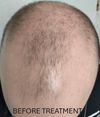
A 24-year-old male has been using finasteride and minoxidil for a year with little hope. Suggestions include adding dutasteride, oral minoxidil, micro needling, and considering a hair transplant.
A 30-year-old MTF individual shared a 6-month update on hair loss improvement using minoxidil, retinol, and microneedling, along with lowering testosterone to reduce DHT. They reported positive results, feeling happier and more confident.
GentleIris stopped hormone-induced hair loss with diet changes but couldn't regrow lost hair. A reply suggested microneedling instead of Platelet-Rich Plasma Therapy (PRP) for hair regrowth.
An 18-year-old shares a 5-month hair loss treatment progress using finasteride, minoxidil, microneedling, Nizoral, biotin, and fish oil. The user discusses the effectiveness of finasteride over time and considers continuing the regimen despite suggestions to simplify it.
Hair loss treatments, specifically the use of oral minoxidil in combination with micro-needling. Oral minoxidil has been found to improve hair density in 90% of patients with a low side effect profile, but using 5mg per day can result in higher side effects including hypertrichosis and edema. Other treatments mentioned include finasteride and RU58841.
A 42-year-old man achieved significant hair regrowth in seven months using oral minoxidil, oral dutasteride, topical minoxidil, microneedling, and supplements. He experienced minimal side effects and noted dramatic improvements in hair thickness and health.
A 19-year-old plans to use an experimental hair loss treatment stack including micro-needling, Minoxidil, Pyrilutamide, Ketoconazole shampoo, and other unreleased compounds like PP405. Users advise against using unverified treatments and suggest sticking to proven options like Finasteride, with some recommending topical application to avoid side effects.
User is using topical Minoxidil (100 mg/day) and Finasteride (1 mg/day) but experiencing hair growth everywhere except the top of the scalp. They seek advice on improving scalp hair regrowth.
The conversation is about someone's positive experience with 0.5 mg of finasteride daily for hair loss, noting potential contributions from vitamins and health improvements. Side effects and observations from others include watery semen and questions about hair regrowth and shedding phases.
The user has been using a combination of oral and topical minoxidil, topical finasteride, RU58841, Nizoral, and microneedling for hair loss treatment. They report improvement in hair thickness except for the crown area, which has not changed.
The conversation discusses using minoxidil, finasteride, a dermastamp, and botanical oils like peppermint, rosemary, and pumpkin seed oil for hair growth. The user is considering using Alpha Infuse, which combines microneedling with plant oils, to enhance results.
A user experienced positive hair regrowth using oral and topical minoxidil, oral dutasteride, microneedling, and supplements. They noted improved hairline and temple density with minor side effects like a few forehead pimples.
The user shared progress pictures of hair loss treatment using finasteride, minoxidil, and microneedling, expressing hope for recovery after an 8-9 month break. They seek advice on restarting treatment and are optimistic about regaining previous results.
A user successfully regrew hair over 12 months using topical minoxidil, topical finasteride, microneedling, and supplements, with no side effects. They credit their success to consistency and a comprehensive routine.
The user experienced hair growth improvement using a 1.25mm microneedle weekly, oral finasteride, oral minoxidil, and rosemary oil. They plan to switch to generic finasteride and minoxidil for safety concerns.
Derma rollers may cause scarring alopecia, leading some to prefer dermastamps or dermapens for microneedling. Combining minoxidil with microneedling is effective, but proper technique and healing time are essential to prevent damage.
A 15-year-old experiencing hair loss and anxiety is using minoxidil and microneedling but is advised against starting finasteride or dutasteride due to age. The discussion emphasizes consulting a doctor, considering hormonal evaluations, and exploring non-medication coping strategies.
A 39-year-old has been using topical 5% minoxidil for 11 years, added microneedling, and recently started using a topical combination of minoxidil and 0.3% finasteride, noticing some hair regrowth after three months. They experienced minor side effects when switching finasteride concentrations and plan to continue the treatment, possibly adding oral finasteride or dutasteride if significant progress is seen after a year.
The user completed a Clascoterone study with no observable changes in hair loss and plans to try microneedling and Minoxidil next. They will microneedle weekly and apply Minoxidil twice daily, except on the night of microneedling, and compare results after six months.
A user experiencing aggressive hair loss is considering starting treatment with finasteride and minoxidil. Others suggest various treatments including dutasteride, topical minoxidil with finasteride, and microneedling, with mixed experiences and emphasis on not delaying treatment.
A user who had taken oral minoxidil for 6 months without seeing any results and the advice given in response, which included trying microneedling in combination with topical minoxidil, as well as seeking a dermatologist's opinion.
A 27-year-old is using finasteride, minoxidil, microneedling, and Pilexil shampoo to combat hair loss, with plans to add Nizoral shampoo and light stimulation. Initial results show reduced hair loss and some hair thickening, despite a period of shedding.
Treatments for hair loss, including microneedling (dermarolling and dermapen) and the use of minoxidil, finasteride, and RU58841. It provides detailed information about cost and usage of the various treatments, as well as potential side effects.
The user shared a 3-month update on their hair loss treatment using finasteride, minoxidil, microneedling, and ketoconazole shampoo, later switching to dutasteride. They plan to evaluate progress after a year and consider a hair transplant.
The user shared their hair regrowth progress using a regimen including omega-3, flaxseed, EGCG, green tea, zinc, copper, probiotics, microneedling, topical finasteride, and minoxidil. Other users expressed skepticism about the effectiveness of the regimen, suggesting more proven treatments or considering a hair transplant.
The user experienced significant hair regrowth using 1mg Finasteride daily, 5mg Minoxidil twice daily, and microneedling since April 2025. They also supplement with zinc, biotin, vitamin D, omega-3, and creatine, and use Alpecin Caffeine Shampoo.
The user experienced significant hair regrowth using 1mg finasteride every other day and 1ml topical minoxidil daily, with initial shedding but improvement by three months. Microneedling was also used, with adjustments to frequency and needle length for better results.
A user's two-year hair regrowth journey using 0.5 mg Dutasteride, 5mg oral Minoxidil, 0.75ml of 8% RU58841, and Nizoral shampoo a few times a week. Other users suggest adding microneedling and topical Minoxidil for better results.
The user shared their hair loss progress over a few months using minoxidil, finasteride, RU58841, and microneedling. They reported reduced hair loss and plan to continue their routine, possibly increasing dosages gradually.
A 20-year-old used finasteride, minoxidil foam, and micro-needling for hair regrowth, experiencing initial shedding but later improvement with minimal side effects. They are happy with the results and seek advice on additional products like rosemary oil for scalp health.