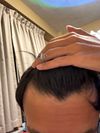
A 28-year-old male started a hair loss treatment with 2.5mg oral minoxidil daily, 1mg finasteride every other day, and a 1.5mm dermaroller once a week. After two months, he believes he sees some progress.
The user is experiencing hair loss with symptoms of receding hairline, extreme shedding, and low density, possibly due to androgenic alopecia, diffuse thinning, retrograde alopecia, or telogen effluvium. They have used minoxidil and noticed changes in shedding patterns related to different water qualities and seborrheic dermatitis.
The user has been using 0.5mg finasteride every other day and applying minoxidil twice daily for three months but hasn't noticed any hair growth or increased thickness yet. They are questioning if they should expect progress at this stage.
The user is concerned about low DHT levels due to using saw palmetto in Foligain supplements and is considering trying finasteride. They seek advice on whether finasteride will also lower DHT and how to manage DHT levels.
A 25-year-old from Spain is considering starting finasteride for hair loss after using minoxidil for two years with limited success. They seek advice on private dermatology practices in Spain, including prescription processes, treatment duration, and costs, and ask for experiences from others using finasteride.
The user discusses using compounded oral minoxidil due to the ineffectiveness and inconvenience of topical minoxidil for diffuse thinning. They question the efficacy of compounded minoxidil compared to original tablet forms and express concerns about the importance of excipients and binders.
The user has been using minoxidil for 6 months and has seen improvements but still has bald spots. They plan to consult a dermatologist to address their concerns.
A 27-year-old male has been using minoxidil for five months with no improvement and is considering adding finasteride to address potential DHT interference. He is seeking advice on whether finasteride might enhance minoxidil's effectiveness or if he should consider other options like a hair transplant.
An 18-year-old using finasteride since February and minoxidil since July has not seen improvement in hair density. They are advised to continue treatment as results can take up to a year, and to consider other options if no change occurs after a full year.
A 27-year-old is experiencing hair thinning and receding, currently using finasteride and planning to start minoxidil. They seek advice on hairline treatment options, including styling, PRP, peptides, and micro-needling.
A 30-year-old is seeking advice on hair loss treatment, currently using oral minoxidil, finasteride, mesotherapy, and a supplement. They are experiencing shedding and are anxious about the effectiveness of the treatment, asking if they should continue or consider other options like topicals or microneedling.
A 17-year-old experiencing hair loss, thinning, and white hair seeks advice on effective treatments. They have started using shampoo and conditioner but have not seen improvement and are open to product suggestions.
The user is considering switching from finasteride and RU58841 to dutasteride due to ongoing hair loss concerns. They are unsure if the hair loss is due to shedding or worsening condition.
The user is considering switching from Minoxidil to dutasteride for hair loss treatment but is concerned about the potential for increased shedding. They are seeking advice on whether to wait for the current shedding phase to subside before starting dutasteride.
The user is considering a hair transplant to increase hair density after using finasteride and minoxidil for two years. They prefer a natural hairline and are unsure if a transplant is suitable for overall thinning.
A dermatologist prescribed a 16-year-old a mix of 5% topical minoxidil and 0.1% topical finasteride for hair loss, but the user is concerned about side effects. Another user advises against using finasteride at a young age due to potential growth impacts and suggests consulting a doctor to assess growth completion.
The conversation is about making oral minoxidil pills for personal use, including inquiries about ingredients and binders. The user mentions taking 2.5mg of oral minoxidil daily.
A 32-year-old male is considering options to soften a dense transplanted hairline after experiencing accelerated hair loss and intolerance to finasteride and dutasteride, while using minoxidil. He is exploring partial electrolysis or laser treatments to achieve a natural look with a short buzz cut, avoiding a second transplant or scalp micropigmentation.
The user has been using oral minoxidil (5mg) and oral finasteride (1.25mg) for 9 months and is considering switching to dutasteride due to concerns about hair shedding. They report no side effects from the current treatment.
A person has been using 1mg Finasteride for 20 years with no side effects but is now noticing temple thinning and is considering oral Minoxidil, despite concerns about heart health and body hair growth. They are consulting a doctor about possibly taking 1.25 to 2.5 mg of oral Minoxidil.
The user is experiencing significant hair loss and is considering treatments like minoxidil, finasteride, and possibly a hair transplant. They are advised to consult a dermatologist and consider oral minoxidil and dutasteride, while being aware of potential side effects and the need for ongoing treatment.
The conversation discusses combining topical finasteride with oral finasteride or dutasteride for hair loss treatment. It also mentions using minoxidil, oral dutasteride, and other supplements like biotin and ketoconazole for better hair health.
Missing 15 days of finasteride and minoxidil may cause some hair loss, but resuming treatment should help regrow hair. It's important not to miss doses to avoid potential setbacks.
The conversation discusses concerns about getting a buzz cut years after a FUE hair transplant due to an unnatural look and thinning hair. Suggestions include trying a buzz cut and considering scalp micropigmentation (SMP) as an option.
Cold shock therapy may promote hair growth by stimulating follicular muscles and affecting stem cells. The exact mechanisms and full range of elements involved are not yet fully understood.
A 33-year-old female with androgenic alopecia experienced alopecia areata patches after PRP treatment. She is seeking others' experiences with PRP worsening alopecia areata.
The user is considering making a homemade topical finasteride solution using an ethanol-based carrier. They are inquiring if a solution containing partially denatured ethyl alcohol and benzalkonium chloride is suitable.
A 29-year-old considering hair loss treatment received advice to explore a theory on androgenic/anabolic balance and was encouraged to read a beginner's guide for better recovery chances. The user expressed gratitude and willingness to try the suggested approach.