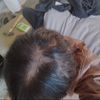
Injectable GHK-CU and BPC157 were discussed for hair loss, but users did not notice significant hair changes. BPC157 was noted to help with shoulder issues.
A 17-year-old is concerned about potential hair loss due to maternal genetics and wonders if treatments like Minoxidil, Finasteride, or RU58841 will be effective. They hope their paternal genetics will help prevent hair loss or make treatments more effective.
The conversation discusses the use of 5-alpha-reductase inhibitors like finasteride and dutasteride for hair loss in transgender women, particularly in relation to testosterone suppression. The original poster has been using dutasteride and is considering stopping it due to undetectable testosterone levels.
The conversation discusses hair loss treatments like topical finasteride with minoxidil, oral dutasteride, and essential oils. Oral treatments like dutasteride and finasteride are seen as more effective, though some prefer topicals to avoid side effects.
Hope Medicine's announcement of the HMI-115 Phase II clinical trial for androgenetic alopecia in China; other related trials have been conducted or are ongoing in different countries, including Australia, US, and Europe. There is speculation that the product may be accepted across borders without additional testing.
The conversation humorously discusses using anal administration of Dutasteride as a novel method for treating hair loss, suggesting it could target DHT production more effectively. It includes satirical comments about the method's potential effects and absurd outcomes.
VDPHL-01 is essentially a slow-release oral minoxidil, which is already known to work for hair growth. The formulation includes other ingredients like Medrogestone, Valproic acid, Setipiprant, and Cetirizine, but their effectiveness and necessity are questioned.
After a year on dutasteride and oral minoxidil, the user experienced significant hair regrowth, improving from Norwood 2 to almost Norwood 1. They added RU58841, microneedling, rosemary oil, GHK-Cu, and annurca apple supplement to their regimen and are now noticing hair loss in the temple area.
The user is using oral minoxidil, ghk-cu, and HGH for hair regrowth, noticing small vellus hairs on the crown. They avoid traditional DHT blockers like finasteride due to side effects, despite skepticism from others about the effectiveness of ghk-cu.
A user on finasteride for hair loss is considering topical dutasteride to further reduce scalp DHT and is using various other topicals as substitutes for minoxidil due to concerns about the safety of their cats and potential heart side effects from oral minoxidil. They are exploring whether a once-weekly application of topical dutasteride would be effective.
The conversation discusses the fluctuation of testosterone levels in men under 40 and the difference between serum DHT and scalp DHT. It also mentions that DHT levels are higher on Dutasteride than on Finasteride, which is unusual.
A user experienced unexpected hormone test results after 7 months on 1mg daily finasteride, noting a decrease in estradiol despite expectations of an increase. Other users suggested that hormone responses can vary and that finasteride might still be effective if DHT levels are within range, while also mentioning factors like circadian rhythm and stress that could impact results.
A 25-year-old male experiencing hair loss and thinning since age 20 is seeking advice on effective DHT inhibitors. He lists various oral and topical treatments, excluding Minoxidil due to adverse effects.
Using a combination of Stemoxydine, minoxidil, dutasteride, and keto shampoo to achieve extreme hair and beard growth. The user has experienced positive results with terminal hairs at the hairline and an increase in density to their stubble after several weeks of use.
The conclusion of the conversation is that the user "lemmeseesomeass" has experienced significant hair regrowth using a combination of RU58841, dutasteride, and minoxidil. They mention that RU58841 is effective but not medically approved. They provide instructions on how they use RU58841.
Using Dutasteride as a hair loss treatment and its potential benefits, including availability in certain countries without a prescription and lower side effects than Minoxidil or RU58841.
Using dutasteride or finasteride can increase free testosterone, which may convert to estradiol, potentially causing side effects like increased estrogen levels. Individual responses vary, and some users report changes in cholesterol, hair texture, and side effects like gyno or increased sex drive.
Hyperbaric Oxygen Therapy (HBOT) is discussed as a potential treatment for androgenic alopecia due to its ability to reverse hypoxia and promote angiogenesis. The conversation explores its potential benefits for hair loss, though no studies have been conducted on this application yet.
A user experimenting with an extreme hair loss treatment stack of Dutasteride, RU58841, 15 mg oral minoxidil, and microneedling, which sparked a debate among other users about the safety of this approach.
The user added 0.5mg dutasteride to their regimen of topical finasteride and minoxidil but experienced rapid hairline recession despite reduced hair fall. Suggestions included increasing the dutasteride dosage to 1mg daily to better suppress DHT and potentially adding oral minoxidil.
The conversation discusses the potential use of HMI 115 for hair loss and whether it could replace or be used alongside finasteride, minoxidil, and RU58841. The user is experiencing scalp inflammation and continued hair shedding despite using finasteride for 8 years.
A 26-year-old man shared his positive results after 10 months of treating male pattern baldness using a regimen that includes Estradiol Enanthate, DHPA, Bicalutamide, Dutasteride, oral and topical Minoxidil, and a dermaroller. He experienced mild gynecomastia and reduced body hair as side effects but was satisfied with the outcome.
The conversation discusses purchasing experimental hair loss treatments KX-826, AHK-Cu, and PTD-DBM, with the user already using Minoxidil and having side effects from Finasteride. Concerns about the legitimacy of certain suppliers and the authenticity of products like pp405 are also mentioned.
OP used 1mg finasteride for 4 years, then had a hair transplant, and for the past 6 months has been using 0.5mg dutasteride and 2.5mg oral minoxidil twice daily. The treatments resulted in significant hair density and thickness improvement.
The user is using finasteride, HGH, GHK-CU, BPC-157, KPV, biotin/collagen/keratin vitamins, ketoconazole shampoo, and low-dose naltrexone to address hair loss, avoiding minoxidil due to past shedding experiences. Adenosine is discussed as a potential alternative to minoxidil, though it is noted to be expensive and hard to find.
The conversation discusses the use of topical finasteride for hair loss, with the user considering whether oral finasteride might be more effective in reducing DHT levels. Other users suggest alternatives like dutasteride, RU58841, saw palmetto, and a combination of Redensyl, Procapil, and Capixyl, while debating the effectiveness and side effects of these treatments.
The user is applying topical finasteride with stemoxydine for hair loss and has noticed hair thickening but no regrowth after two months. They also report high SHBG and prolactin levels and a lack of morning erections, even on low doses of medication.
The user has been using oral Dutasteride (.5mg) for 104 days and oral Minoxidil (.5mg) for about 2 months to address hair loss. Changes in hair appearance are noted, influenced by haircuts and dyeing, which affect the visibility of thinning areas.