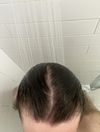
A 24-year-old male has been using oral Minoxidil (2.5mg daily) and daily Dutasteride for hair loss, noticing slight thickening but no major regrowth. Users suggest increasing Minoxidil dosage to 5mg and maintaining consistency, with some recommending additional treatments like topical Minoxidil or considering a hair transplant in the future.
The conversation discusses whether to get a blood test to check DHT levels while using Dutasteride for hair loss and concerns about Quercetin's potential interaction with Dutasteride. It concludes that testing DHT isn't necessary unless no effects are seen, and the small amount of Quercetin in a multivitamin likely doesn't interfere with treatment.
A 21-year-old has started a hair loss routine using topical finasteride and minoxidil, Nioxin stage 4 products, and supplements like biotin. They are considering adding oral minoxidil but are advised to wait and see results first.
A 21-year-old individual questioning the safety and potential side effects of using Dutasteride for hair loss, after Finasteride and RU58841 had limited effect. The responses vary, with some users suggesting it's safe and others advising to check hormone levels before proceeding.
PP405 shows promise for hair regrowth by manipulating stem cell characteristics and lactate dehydrogenase, with Phase 2a trials pending. Google Ventures' $15M investment suggests confidence, but results and market availability remain uncertain.
The user has been using liposomal topical finasteride since late 2022, progressively increasing the dose, but DHT serum levels remain largely unchanged. Despite using finasteride, minoxidil, microneedling, and ketoconazole, hair condition has neither improved nor worsened.
A 25-year-old male is concerned about his blood test results, particularly the low percentage of free testosterone, and is questioning whether starting finasteride for hair loss might worsen this issue. He also notes a slight vitamin D deficiency and lack of sleep before the test.
The user noticed potential hair growth after 13 days of using RU58841, alongside a regimen of oral minoxidil, finasteride, and topical minoxidil. Others think it's too soon to see results, and some are surprised by the high dosage of oral minoxidil.
A 39-year-old shared a 17-month hair loss treatment update using Dutasteride, Minoxidil, Nizoral shampoo, and a 1.5mm derma roller, noticing significant results after 9-12 months. They also maintain a healthy lifestyle and manage side effects like dry skin with moisturizer.
New product Tomorrowlabs HSF targets hair loss through HIF pathway indirectly by removing scalp iron. Minoxidil and Stemoxydine also relate to HIF pathway.
The user reported noticeable hair regrowth after using dutasteride 0.5 mg, oral minoxidil 2.5 mg daily, and ketoconazole shampoo weekly for six months. They are considering adding RU58841 for further improvement.
The conversation is about a 19-year-old female experiencing hair loss, potentially due to deficiencies in iron, ferritin, and vitamin D. She is considering iron and vitamin D supplementation and exploring dietary changes, while also planning to consult a dermatologist when possible.
A 22-year-old is using dutasteride 0.5mg daily, oral minoxidil 2.5mg, biotin 5mg, and microneedling for hair loss. They also use a shampoo with saw palmetto and green coffee but are unsure of its effectiveness due to its high cost.
The user experienced significant hair regrowth after 11 months on 1mg finasteride, despite minoxidil only providing temporary results. The conversation includes questions about the use of minoxidil and other treatments, with users noting improvements in hair density and temple peaks.
The user experienced hair thinning and was diagnosed with alopecia incognito and male pattern baldness. They are using minoxidil, finasteride, and dutasteride scalp injections, reporting gradual improvement with no side effects.
An 18-year-old experiencing mild hair thinning is prescribed ketoconazole shampoo, clobetasol, and a solution with minoxidil, finasteride, and tretinoin. They are hesitant to start finasteride due to concerns about systemic absorption and its impact on facial hair development.
A user shares their 11-week progress using 1mg finasteride, 5% minoxidil twice daily, 0.8mm dermastamping every 10 days, occasional tretinoin, and ketoconazole shampoo for hair regrowth. They plan to continue the treatment for 9 months before considering a hair transplant.
HMI-115, a potential treatment for hair loss that can reverse miniaturization and make individual hairs thicker, as evidenced by data from macaques given the treatment and one subject in the phase I trial.
A user increased their dutasteride dosage from 0.5mg to 1mg daily, resulting in a rise in DHT levels from 148 pg/mL to 281 pg/mL, and is considering switching back to finasteride due to continued hair loss. Replies suggest retesting and emphasize the importance of bloodwork before starting treatments.
The user experienced hair loss starting at 16 and used finasteride and minoxidil, later switching to dutasteride and oral minoxidil, which improved hair thickness after an initial shedding phase. The user also noted the importance of using shampoo to manage dermatitis and maintain scalp health.
A 17-year-old is considering using minoxidil (OM) for hair thinning but is concerned about potential side effects and hormone disruption. They plan to use rosemary oil, ketoconazole shampoo, hair peptides, microneedling, and scalp massages as part of their treatment.
The user shared a 10-month hair loss treatment update using finasteride, minoxidil, derma stamping, red light therapy, and keto shampoo, reporting improved styling ability but a stubborn frontal hairline. The user experienced lower libido as a side effect of finasteride.
The conversation discusses a hair loss treatment routine involving daily minoxidil, finasteride, micro-needling, rosemary oil, and biotin supplements. The user shares personal experiences, noting no side effects from finasteride and emphasizing the importance of a healthy lifestyle in preventing hair loss.
A user improved their hair loss from NW3+ to NW1.5 over three years using a regimen of dutasteride, finasteride, Nizoral, biotin, and collagen. They experienced some side effects and adjusted dosages over time, and noted additional benefits like better skin and muscle gain.
TDM-105795 showed promising hair growth results, with higher efficacy than placebo and minimal side effects. It activates dormant hair follicle stem cells and may maintain gains without immediate loss, unlike minoxidil.
/82 sokak no:3, Bornova, İzmir Province
This conversation is about a user's progress after hair transplant surgery and the treatments they used to maintain it. They had a transplant of 3000 grafts in April 2022, taking finasteride 1mg daily and minoxidil twice daily foam, as well as using Nizoral shampoo and Hair Growth Shampoo from Watermans once a week. The results have been positive with good hair health improvement.
Exploring hair loss treatments beyond DHT, including Minoxidil, pyruvate, Gt20029 targeting androgen receptors, and vasodilators. Other options like Kx826, adenosine signaling, growth factor topicals, and microneedling are also discussed.
The user improved their hair loss from a Norwood scale 2.5/3 to 1.5/2 using treatments including 2.5 mg dutasteride, RU58841, 15 mg oral minoxidil, isoflavones, NAC, pumpkin seed oil, NAD+, and Vipelin, but still experiences temple recession. Other users expressed concern over the high dosages of oral minoxidil and dutasteride.