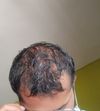
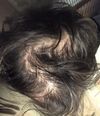
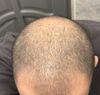
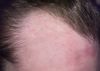
Vitamin D supplementation may have led to slight hair regrowth and density improvement. Other treatments discussed include finasteride, minoxidil, and maintaining optimal vitamin D levels.
The user is using dutasteride, oral minoxidil, and topical minoxidil with tretinoin for hair loss. They are considering whether to continue this treatment or opt for a hair transplant for their temples.
The user has been using finasteride and minoxidil, then switched to dutasteride and minoxidil for six months without significant results, noticing thinning after increasing creatine dosage. They plan to consult a dermatologist to explore potential causes beyond androgenetic alopecia.
Liver problems may reduce the effectiveness of oral minoxidil due to impaired SULT1A1 enzyme activity, which is crucial for converting minoxidil to its active form. This reduction in enzyme function can significantly decrease the drug's effectiveness in promoting hair growth.
A 24-year-old experienced hair regrowth with finasteride, minoxidil, and ketoconazole but saw a significant shed after four years despite continued treatment and healthy habits. They stopped minoxidil after shaving their head, noticed dandruff disappeared, and are seeking advice for potential regrowth.
Finasteride is being used by a 17-year-old concerned about its impact on height while still growing. The user has been balding since age 13 and was recently diagnosed with androgenetic alopecia.
The user is considering taking 2.5 mg oral minoxidil and 1 mg oral finasteride sublingually to minimize side effects after a hair transplant. They seek advice on the pros and cons of this method, noting a lack of concrete information.
The user experienced side effects from oral finasteride and tried mixing it with liquid minoxidil but faced application issues. They are seeking a 5% minoxidil foam with a maximum of 0.15% topical finasteride concentration.
The user experienced worsening hair loss despite using finasteride and topical minoxidil, and is considering switching to dutasteride and oral minoxidil. They also tried microneedling and tretinoin with minoxidil, and are exploring Sulfogenz topical minoxidil.
A 58-year-old uses finasteride for hair loss and has tried various shampoos, finding Equate T-gel effective for controlling itching. Nizoral was previously effective but no longer works, and DermaKB hasn't been used long enough to assess its effectiveness.
A 17-year-old male is experiencing genetic hair thinning and is considering using finasteride and minoxidil for treatment. He is frustrated with dermatologists' suggestions of vitamins and seeks advice on effective solutions.
Increased hair shedding after 3 months of using 0.25mg finasteride, with thin, tapered hairs falling out. The user is concerned about the sudden change in shedding pattern.
The user is experiencing scalp irritation and hair thinning, possibly due to stress, with red patches on the face and dry skin. They are considering seeing a dermatologist and have used tea tree and rosemary oil.
A 22-year-old is experiencing severe hair loss and questions the effectiveness of topical Minoxidil, considering that they might be a non-responder. They have recently increased the dosage and are not using Finasteride, while also using a 0.5 mm derma stamp.
The user has been using finasteride for 18 months and minoxidil for 3 months to address hair loss, experiencing increased shedding and questioning the effectiveness of these treatments. They also tried rosemary oil with minimal results and are seeking advice on whether the shedding is normal and if minoxidil is effective.
The user is experiencing increased hair miniaturization despite using oral minoxidil, dutasteride, and microneedling. They are considering reintroducing finasteride and adjusting dutasteride dosage.
Buzzing or shaving your head can boost confidence and save money on hair loss treatments. Some prefer treatments like finasteride and minoxidil to maintain their hair.
The user is experiencing excessive hair thinning and is unsure of the cause. They are seeking opinions on treatments like Minoxidil, finasteride, and RU58841.
A 30-year-old male is considering switching from topical to oral minoxidil after two months of use on his temples, while also using dutasteride every other day. A user suggests oral minoxidil might be more effective but warns of potential side effects like fluid retention and lower blood pressure.
Mixing minoxidil and alfatradiol in one bottle may affect their effectiveness due to potential stability issues. It's recommended to apply them separately for full benefits.
Topical minoxidil with finasteride can help focus treatment on the scalp, with shedding being normal initially. Foam minoxidil is easier to apply, PRP's effectiveness varies, and anti-dandruff shampoos like ketoconazole are beneficial for scalp health.
The user switched from topical to oral minoxidil and started taking dutasteride, experiencing continuous shedding for over six months. They are concerned about the quality of the oral minoxidil and unsure if new vellus hair growth is related to the treatment.
A 33-year-old male is experiencing hair loss on the crown and is considering treatments like Minoxidil 2% or 5%, Minoxidil foam, Finasteride, or a hair transplant. He previously used Minoxidil 2% for his hairline but found it annoying to apply.
The user is considering switching from topical finasteride to oral finasteride and is seeking advice on whether to transition directly or use both forms temporarily. They express concern about potential side effects.
A user from France is seeking advice on obtaining dutasteride online without a prescription, as they already use finasteride. They are looking for a safe international pharmacy for delivery.
The user has been using Finasteride and Minoxidil for 7 months and started microneedling a month ago, but is experiencing increased hair shedding and is concerned about its effectiveness. They have vitamin D3 and B12 deficiencies and are seeking advice and encouragement due to a family history of baldness.
A 16-year-old has been using Minoxidil for a year, which initially worked but is now less effective as hair loss continues. They are concerned about ongoing hair loss and are unable to use finasteride.
The conversation discusses converting liquid minoxidil into a foam version to save money. The user is exploring if a foam sprayer can achieve this or if additional ingredients are needed.
The user has been using oral and topical minoxidil, finasteride, dermastamping, and multivitamins for hair loss, with plans to consider a hair transplant in the future. They are seeing gradual improvement and are content with the progress, preferring to stick with their current regimen rather than switching to other treatments like dutasteride.