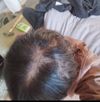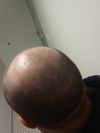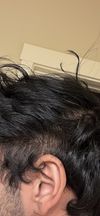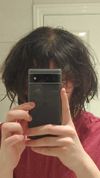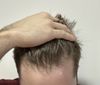
The user is considering whether to consult a hair loss specialist after letting their hair grow for two weeks, having previously shaved their head since age 26. They are contemplating continuing to shave if consulting a specialist seems unnecessary.
The user experienced significant hair improvement with minoxidil and finasteride but later faced shedding and diffused thinning after developing seborrheic dermatitis. They are seeking advice after trying treatments like ketoconazole, coal tar shampoos, fluconazole, and hydrocortisone cream.
The user experienced significant hair regrowth using minoxidil for 1.5 years and finasteride for 6 months, with finasteride showing more noticeable results. They also tried ketoconazole for scalp infections but found it only provided temporary relief.
The user has been using topical minoxidil and finasteride for 1.5 years, which has thickened existing hair but left some areas thin. They suspect the treatment may be causing dandruff or seborrheic dermatitis and are seeking advice.
Using 2.5mg oral minoxidil and 1mg oral finasteride daily leads to significant hair regrowth without side effects, especially at the crown. Consistency is crucial, and some users consider additional methods like derma rolling.
The user is experiencing hair loss despite using finasteride, minoxidil, and needling since March. They suspect needling too deeply might be an issue and have adjusted the depth recently.
Cold shock therapy may promote hair growth by stimulating follicular muscles and affecting stem cells. The exact mechanisms and full range of elements involved are not yet fully understood.
The user has been using 2mg minoxidil and 1mg finasteride daily for over a year, with inconsistent use for two months, and is experiencing a shedding phase. Suggestions include adding dutasteride, micro-needling, and considering a shorter haircut to manage appearance during shedding.
The user has been using Finasteride and Minoxidil for hair loss but has seen no progress. Suggestions include trying Dutasteride, increasing Minoxidil dosage, or considering a hair transplant.
RU58841 powder from a lab supplier was tested at a free drug testing service. The discussion includes using Minoxidil and finasteride for hair loss treatment.
Scalp biopsies are crucial for diagnosing hair loss conditions like Diffuse Unpatterned Alopecia (DUPA) and retrograde hair loss, as treatments like finasteride and dutasteride may not be effective if other conditions are present. Combining PPAR-GAMMA agonists with retinoids could improve treatments for conditions like Lichen Planopilaris.
The conversation is about treatments for androgenetic alopecia, focusing on hyperresponders. Treatments include Minoxidil, finasteride, RU58841, leg training, and cold therapy.
The post is a 1-year update on hair loss progress using topical minoxidil and finasteride treatments. The user has seen good progress, especially in transitioning from a Norwood 3 to a Norwood 2 hair loss pattern.
The conversation is about finding a source for a topical solution combining minoxidil with other ingredients like finasteride, dutasteride, or retinol. The user seeks recommendations for purchasing these enhanced formulations.
A dermatologist prescribed a topical solution with 7% minoxidil, 0.1% finasteride, and 0.015% tretinoin from Medrock pharmacy. The user is asking if anyone has tried it and if it contains alcohol.
17-alpha-estradiol may work for hair loss by inhibiting 5-alpha reductase, similar to finasteride. It might lower testosterone in the scalp, reducing DHT conversion.
AH-001 is a new topical treatment designed to degrade androgen receptors, targeting the root cause of androgenetic alopecia without the side effects of oral treatments like finasteride. It has shown a strong safety profile and good local tolerability in early trials.
Tretinoin can irritate seborrheic dermatitis, but using it with a moisturizer on calm skin may help. Parallel Health's skin microbiome testing and phage therapy are suggested for persistent issues.
The conversation is about the best vehicle for RU58841, comparing trichosol and Garnier/Vichy Stemoxydine, avoiding propylene glycol (PG) or ethanol due to previous scalp damage. The user is also seeking sources for these products in the EU.
The conversation discusses using azelaic acid to reduce scalp inflammation while using RU58841 for hair loss. It suggests applying azelaic acid in the morning and RU58841 at night to avoid degradation, while also using dutasteride and minoxidil.
A user is seeking a new source for RU58841 in the EU after their previous supplier stopped selling it. They mention considering Anagen, Actifolic, Minoxidilmax, and rudirect, and are using a treatment mixing RU58841 with Stemoxydine and Alfatradiol.
A Swiss product called Redensyl, which is supposed to target hair follicle stem cells and has recently been marketed in Europe. The post inquires if anyone has had any experience with the product.
The conversation discusses using Rogaine (minoxidil foam) for hair loss, with questions about enhancing its effectiveness with tretinoin or retinol and incorporating dermarolling. The user has been using finasteride for 7 years and is considering starting minoxidil despite concerns about shedding.
Redensyl, a hair loss treatment that has been claimed to be 80% more effective than minoxidil, but users have not experienced any results from using it.
Retinol is not effective alone for hair loss; tretinoin is more potent and sometimes mixed with minoxidil. Retinoids do not stop hair loss, and finasteride or dutasteride is necessary for that.
The user is using a topical routine of finasteride and minoxidil, noticing increased hair growth, and is considering adding tretinoin for skin issues. Tretinoin may enhance minoxidil's effectiveness, but care should be taken to allow proper absorption to avoid unintended facial hair growth.