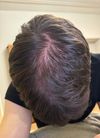
Increased hair shedding after 3 months of using 0.25mg finasteride, with thin, tapered hairs falling out. The user is concerned about the sudden change in shedding pattern.
A 19-year-old experiencing hair loss for two years is using Minoxidil and considering starting Finasteride immediately. A user advises starting Finasteride quickly, as Minoxidil alone won't stop hair loss.
A 25-year-old male shared his 3-month progress using oral minoxidil, finasteride, and biotin for hair growth, reporting positive results and minimal side effects, such as slightly reduced libido. He plans to continue treatment and possibly add microneedling, with hopes of further improvement and potential hair transplant if needed.
A 24-year-old male experienced significant hair regrowth after 14 months of treatment with 0.5mg dutasteride and 5mg minoxidil, with no side effects reported. He plans to consider a hair transplant for his hairline, as the treatment did not improve that area.
A user shared their positive experience with hair regrowth after three months using topical minoxidil twice daily, 1mg finasteride every morning, and microneedling every 10 days. They reported no side effects and encouraged others to consider similar treatments.
The conversation discusses the effectiveness of switching from finasteride to dutasteride for hair loss treatment, with some users suggesting adding oral minoxidil for further improvement. The original poster is considering a hair transplant and is concerned about perceived thinning, despite others noting improvement or stability with dutasteride.
The user reports positive progress in hair growth using 0.25mg finasteride, minoxidil, ketoconazole shampoo, and microneedling, with minimal hair shedding and some new hair growth. They experienced decreased libido with finasteride but no longer have side effects from minoxidil.
A 34-year-old man has been using oral minoxidil and finasteride for three months with noticeable hair regrowth and no side effects. He is considering a hair transplant but is currently satisfied with the progress and prefers not to switch to more aggressive treatments.
The user experienced significant hair regrowth using 0.25mg finasteride and topical minoxidil, with no side effects reported. They went from Norwood 4.5 to Norwood 2.5 in eight months.
The user experienced significant hair recovery after 14 months using oral Propecia (finasteride) 1 mg daily and oral minoxidil, and recently added topical minoxidil and topical Propecia to their regimen. The doctor recommended this combination to maximize results, and the user reported no side effects, noticing improvements by the third month.
A user experiencing hair loss received three different diagnoses: androgenic alopecia, traction alopecia, and scarring alopecia, and tried treatments like minoxidil and finasteride without success. They are considering dutasteride but were advised to seek anti-inflammatory medication instead.
The user experienced improved hair at 6 months using 0.5 mg finasteride daily but noticed more scalp visibility and potential hair loss at 13 months, questioning if this was due to shedding or the treatment not working. Some respondents suggested the possibility of a shed or scalp inflammation, while others observed improvements or advised checking for underlying scalp conditions.
A user shared their 14-month progress using Pyrilutamide and Minoxidil for hair loss, noting improvement and no side effects with these treatments, unlike their negative experiences with Finasteride and RU58841. They emphasized the importance of consistent application for seeing results.
The phase 3 trial results for Pyrilutamide showed no significant difference from the control treatment in increasing hair count, leading to the company halting its development. Users discussed their disappointment and skepticism about hair loss treatments, with some mentioning other treatments like Minoxidil, Finasteride, and RU58841.
A user shared their positive experience with Minoxidil (Kirkland brand) and Nizoral shampoo for hair regrowth, showing significant improvement in just three months. The user applied the treatment consistently for over three years, maintaining the results, and did not use any other treatments like finasteride.
The user "RenegadeMountie" shared their progress with topical finasteride and minoxidil for hair loss. They reported consistent use for 3 months, with noticeable improvement in hair thickness and new growth. Other users recommended using hair loss concealers and expressed confidence in seeing more progress in the future.
User Salty-Peace-577 experienced hair regrowth after 3 months on 0.5mg oral Finasteride and 2.5mg oral Minoxidil. Others in the conversation expressed surprise at the quick results and discussed the effects of these treatments.
3 months of progress with Finasteride and Minoxidil treatment for hair loss, as well as Nutrafol vitamins and low-level light therapy. The user experienced no problems and had a satisfied girlfriend to boot!
A 14-month update on a FUE hair transplant, and the effects of male pattern baldness. People discussed products such as Minoxidil, finasteride, Kerastase Chronologiste shampoo and care oil, and RU58841 to help treat hair loss.
The user experienced significant hair thinning and scalp irritation after three months of using topical finasteride. Suggestions include that shedding is normal before regrowth and switching to oral finasteride or addressing scalp inflammation might help.
The user has been taking dutasteride for 7 months with unimpressive results and recently started using minoxidil once a day. They are inquiring about the effectiveness of using minoxidil twice a day and the addition of tretinoin to enhance results.
The conversation is about a user's 3-month hair regrowth progress using finasteride, minoxidil, and a 0.5mm dermaroller, with recent addition of caffeine shampoo. Users are responding positively and inquiring about application methods.
A user who experienced significant hair regrowth over the course of one year by following a regimen including finasteride, minoxidil, Nizoral shampoo, dermarolling, biotin vitamins, vitamin D3 and collagen peptides. The post includes before/after photos and details on the brands used.
The user experienced worsening hair loss despite using finasteride and dutasteride. They are considering trying minoxidil but are unsure if it will help.
The user shared progress pictures after using 5% topical Minoxidil inconsistently for three months, along with starting Dutasteride two weeks ago and alternating with Finasteride. They reported no shedding and are considering switching to only Dutasteride once Finasteride runs out, while also experiencing some minor side effects that resolved quickly.
Finasteride can cause initial hair shedding as part of the treatment process, which is normal and often leads to regrowth of healthier hair. Users discuss experiencing multiple shedding phases and emphasize patience, as results can take several months to become noticeable.
The user is using oral minoxidil, finasteride, and a dermaroller for hair loss but is not seeing significant progress after three months. Suggestions include continuing treatment for at least a year, considering dutasteride, adding topical minoxidil, or possibly getting a hair transplant.
A 54-year-old user shares progress after 3 years on dutasteride, following 15 years on finasteride, using 0.5 mg/day dutasteride, topical minoxidil every other day, and a peptide serum on alternate days. They experienced a significant shed during the transition but are now maintaining hair, noticing some new growth along the hairline.
An 18-year-old experienced hair loss from age 13, tried minoxidil and finasteride, and found confidence by shaving his head. Others shared similar struggles, with some considering treatments like hair systems or transplants.
The conversation discusses using crushed finasteride tablets mixed with topical minoxidil for hair loss treatment. Users share their experiences and opinions on the effectiveness and proper concentration of this method.