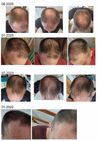
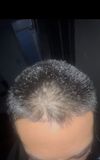
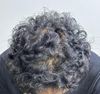
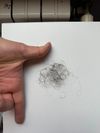
Transitioning from finasteride to dutasteride for hair loss, with suggestions to either slowly transition or frontload dutasteride. The user is also using minoxidil, nizoral, needling, and LLLT.
The user shared their hair loss treatment routine, which includes daily finasteride, minoxidil twice daily, and derma rolling twice a week. They reported significant hair growth in three months without major side effects, except for initially watery sperm.
The user is considering switching from Finasteride to Dutasteride for better hair regrowth while using Oral Minoxidil. They are unsure about their progress and are contemplating increasing the Minoxidil dosage or trying Dutasteride.
Microneedling for hair loss, with concerns about cost and conflicting information on protocols. The user is unsure about purchasing and reusing microneedling stampers.
The user has been using minoxidil, finasteride, dermastamping, and Nizoral for hair loss with initial success but is considering adding PRP due to slowed progress. Concerns about PRP include potential ineffectiveness and whether it could harm existing hair growth or interfere with current treatments.
The conversation discusses hair loss treatments, with the original poster using microneedling, rosemary oil, pumpkin seed oil, and Nizoral shampoo, and experiencing increased shedding. Responses suggest that shedding is typically a good sign only with medical treatments like minoxidil or finasteride, and recommend considering DHT blockers or medical treatments for effective results.
The user is experiencing hair loss and is using topical finasteride, rosemary oil, caffeine, microneedling, low-level laser therapy, scalp massages, ketoconazole shampoo, and various vitamins and supplements. They are concerned about potential gynecomastia and are considering using minoxidil if current treatments do not stop hair loss or promote regrowth.
Hair growth progress using Propecia, Minoxidil, dermarolling, ketoconazole shampoo, and vitamins. Noticeable hair growth in temples after 3 months and 10 days.
The user has been taking 1mg finasteride daily for a year with no improvement in hair loss and reports low cortisol levels, sleep issues, and anxiety changes. The conversation includes discussions on the potential effects of finasteride on cortisol and neurosteroids, with suggestions to consult a doctor and consider other factors.
Finasteride and oral minoxidil effectively maintain a youthful appearance and full head of hair, despite genetic predispositions to balding. The discussion also considers the impact of DHT blockers on masculinity and aging, with lifestyle choices like sunscreen use and a vegetarian diet mentioned.
The user has been using minoxidil for a year and started microneedling recently, but is unsure about hair regrowth and is considering starting finasteride despite concerns about side effects. Other users suggest that combining minoxidil with a DHT blocker like finasteride is necessary for better results, as minoxidil alone may not be effective long-term.
A user shared their positive experience with hair regrowth using Finasteride and Minoxidil, noting increased confidence and no serious side effects except for increased body hair. Others in the conversation discussed varying results, potential side effects, and the possibility of switching to Dutasteride if effectiveness decreases.
The user has experienced limited hair regrowth using 1mg oral finasteride, topical minoxidil foam, and occasional dermarolling since August 2023. They are considering switching to dutasteride, adding oral minoxidil 2.5 mg, and RU58841 to improve results.
The user is experiencing hair regrowth after two months using topical finasteride, minoxidil spray, and weekly microneedling. They report less hair loss and stronger hair growth.
A 24-year-old switched from finasteride to dutasteride and increased oral minoxidil from 5 mg to 7.5 mg, noticing increased hair shedding. Users discuss the safety and effects of high-dose minoxidil, with some suggesting the shedding may be temporary due to dosage changes.
Two Chinese suppliers provided legitimate RU58841, confirmed through a free drug testing service. The vendors were Shaanxi Greenyo Biotech and Lyphar, found on Made-in-China.
A user shared a 2-year progress picture showing improvement in hair loss using only finasteride, with others discussing their own experiences and considering additional treatments like minoxidil or hair transplants. Some users reported hair loss stabilization, while one user experienced regrowth after increasing their finasteride dosage.
The user experienced hair shedding after increasing minoxidil from 5% to 7% with latanoprost, possibly causing telogen effluvium. They are on HRT with Lupron, Estradiol, and Raloxifene, and are concerned about the shedding's duration.
The conversation discusses the molecular structures of compounds that reduce DHT levels, including finasteride and Ashwagandha. It explores the potential of using Ashwagandha topically as a 5a reductase inhibitor.
A 48-year-old male has tried various hair loss treatments, including topical Minoxidil, Ketoconazole shampoo, a combination of topical Finasteride and Minoxidil, oral Finasteride, microneedling, and oral Dutasteride. He seeks advice on next steps after these treatments.
An 18-year-old male with high insulin resistance and overweight issues is experiencing hair loss and has tried treatments like Minoxidil, Finasteride, and keratin supplements. He is receiving conflicting advice from doctors in Saudi Arabia and India, with some recommending expensive transplants and therapies, raising concerns about their motives.
A 23-year-old male has been using finasteride for about 21 months and initially saw improvements in hair thickness and hairline. However, after a recent buzzcut, he noticed his hair growing back thinner and his hairline receding, questioning if it's a synchronized shed or if finasteride is losing effectiveness.
The user experienced significant hair shedding after 5 months of using oral finasteride and oral minoxidil, despite initial progress. They are concerned about the shedding lasting over 2 months and seek advice from others with similar experiences.
The user is using topical finasteride to manage hair loss due to concerns about side effects from oral finasteride. They seek advice on effectively applying the topical treatment to reduce shedding.
The user has been using finasteride inconsistently for a year, which has slowed hair loss but not improved hair thickness. They are considering adding dutasteride or oral minoxidil to their treatment.
A 19-year-old is experiencing worsening hair loss and severe seborrheic dermatitis despite using finasteride for six months. Nizoral (ketoconazole) is no longer effective, and they are seeking over-the-counter solutions and advice for an upcoming dermatologist visit.
A 19-year-old male is considering switching from topical to oral Minoxidil and finasteride due to unsatisfactory results but is concerned about potential side effects. It is suggested to start with low doses of oral versions to test tolerance, as they may be more effective but carry higher risks.
The user initially started finasteride at 5mg unknowingly, then experimented with various minoxidil formulations, leading to inconsistent results and hair loss. They resumed treatment with topical finasteride and minoxidil, seeing some regrowth, and are now using a more structured regimen while considering a hair transplant.
The user is considering adjusting tretinoin strength to enhance minoxidil effectiveness, questioning whether to use 0.025% or 0.01% instead of 0.05% due to increased hair shedding. They have been using finasteride, minoxidil, and Nizoral, and are contemplating reintroducing microneedling.
The user has been using oral minoxidil for 4 years and durum wheat 3 days a week for 7 months, but is experiencing increased hair loss when washing hair. They suspect it might be due to decreased DHT levels and are seeking similar experiences from others.