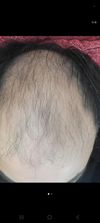
Hair regrowth after 13 weeks using topical minoxidil, oral finasteride, peptide shampoo, serum, and a red light hat. Some growth is attributed to a recent hair transplant.
PP405 might make minoxidil unnecessary, but finasteride or other 5AR inhibitors may still be needed. PP405 is expected to be expensive and not available until at least 2028, with limited information on its effectiveness.
An 18-year-old is using a high-dose hair loss treatment with 40mg daily dutasteride, finasteride, minoxidil, tretinoin, and topical bicalutamide. Despite health risk concerns, especially liver issues, they report hair regrowth progress and intend to continue the regimen.
The user has been using oral Dutasteride (.5mg) for 104 days and oral Minoxidil (.5mg) for about 2 months to address hair loss. Changes in hair appearance are noted, influenced by haircuts and dyeing, which affect the visibility of thinning areas.
The user experienced side effects from daily 1 mg Finasteride and switched to 0.5 mg every other day, supplemented with creatine, tongkat ali, tribulus terrestris, vitamin D3, bromantane, l-tyrosine, and caffeine. They also use weekly 1.5 mm microneedling and daily 50 mg RU58841, except on microneedling days, to manage hair loss.
User shared progress pictures showing significant hair improvement after using finasteride (0.25-0.5mg daily) for 11 months. Other treatments like microneedling, ketoconazole, and scalp massage were mentioned but not used consistently.
A 23-year-old shared progress pictures after five months on Finasteride, starting with 0.25mg and increasing to 1mg, reporting no side effects and noticeable hair improvement. The user is satisfied with the results and plans to continue the treatment, while others in the conversation discuss dosage, side effects, and alternative treatments.
PP405 is a promising molecule that may reactivate dormant hair follicles, potentially offering a new treatment for hair loss. It is in phase 2 trials, with possible availability between 2027 and 2030.
The user stopped using finasteride due to side effects and began treatment with Pyrilutamide, while continuing minoxidil, topical melatonin, dermarolling, and Nizoral. They had a second hair transplant to improve their frontal hairline and will report back on the results of the new treatment regimen.
The user has been using oral dutasteride 0.5mg, oral minoxidil 2mg, and topical minoxidil 5% for hair regrowth, along with microneedling. They have seen significant hair coverage improvement and are considering additional supplements for better results.
User shows hair loss progress from NW4 to NW2.5 in 2.5 months using RU 8.5-9% daily and topical Dut .1% + RU 5% weekly. Discussion includes managing tension in African American hair and representation of different hair types.
The conversation is about the effectiveness of using less than 20mg of RU58841, specifically 12.5mg, for hair loss treatment. People are discussing their experiences with different dosages of RU58841.
A Phase 1 update for the HMI 115 clinical trial, which involves 16 participants and is expected to end in July 2023; as well as changes to the recruitment process, including treatment protocols with Minoxidil, Finasteride, and RU58841.
The potential stability of pyrilutamide in a mixture with water, and how it could be used in combination with Minoxidil and Finasteride to treat hair loss.
A user took finasteride for six months, then switched to dutasteride for a year, increasing the dosage over time, but hair shedding worsened. Replies suggest the issue is male pattern baldness and DHT-related.
A 25-year-old male experienced noticeable temple regrowth using 1mg finasteride, 2.5mg oral minoxidil, and 2mg GHK-Cu over three months. The user is pleased with the progress, especially on the left temple.
The user increased their dutasteride dose from 0.5mg to 3mg daily to address hair thinning, noticing a change in shedding patterns and possibly thicker hair. Other users discuss the effectiveness of different dutasteride doses on DHT levels and suggest staying consistent with the treatment.
A user shared their 5-month progress in treating hair loss using HIMs topical finasteride and minoxidil, micro-needling with a 1.5mm needle, and RU-58841. The post includes progress pictures showing improvement from a NW7 hair loss stage.
The user's consideration of taking finasteride as a short-term treatment, while awaiting advances in medical technology such as Pyrilutamide and GT20029; other users' experiences with Finasteride, including potential side effects.
BPC-157 may promote hair growth by increasing angiogenesis, similar to how Minoxidil works, though no direct research confirms this yet. Users report combining BPC-157 with Minoxidil and finasteride for better results, but concerns about long-term safety exist.
The conversation discusses seeking a stronger treatment than Dutasteride (DUT) for hair loss. Suggestions include combining DUT with RU58841, increasing DUT dosage, and using transgender hormone replacement therapy or testosterone blockers, though some options may have feminizing side effects.
The conversation is about enhancing dermarolling for hair loss by using topical peptides like tb-500 or GHK-Cu to aid in healing and hair growth, and whether anyone has experienced significant results from this method.
The user is experiencing an allergic reaction to propylene glycol in Kirkland minoxidil and is considering switching to a foam version or a low-PG minoxidil solution. They are also contemplating oral minoxidil but are concerned about its long-term safety.
The user has been using pyrilutamide, topical finasteride, and 15% minoxidil for hair growth for almost 4 years. Despite mixed responses from others, the user reports seeing progress, especially with the addition of pyrilutamide, and plans to continue the regimen.
NMN is considered safe to use with dutasteride, and it may help reduce grey hairs. Combining NMN with creatine, whey protein, fish oil, and dutasteride is not seen as excessive.
A user shared a 15-year experience using minoxidil and finasteride for hair loss, stating that despite never missing a dose, their hairline continued to recede slowly. Other users suggested that the hair loss might be exacerbated by the use of steroids and recommended considering other treatments like dutasteride and RU58841.
The conversation discusses the potential of a new hair loss treatment, GT20029, which may prevent hair loss by destroying androgen receptors on the scalp. Users express hope for the treatment's success and speculate on its usage routine, effectiveness, and possible side effects.
A user took 1.5 mg Finasteride and topical Minoxidil for 11 months, resulting in significant changes in blood values but no noticeable hair improvement. They experienced side effects like mood swings and increased visceral fat, leading them to stop Finasteride.
A user has been using a 5% RU58841 solution for hair loss without much result and is considering increasing to an 8% solution to improve outcomes. They are unsure if they should increase the concentration or wait longer for results.
Female (37) experiencing hair loss for 5 years, tried max dose of spiro and oral + topical minox without success. Discovered low cortisol and low DHEA levels, seeking functional medicine practitioner for help.