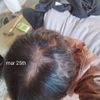
A user shared progress photos after 37 days of using 0.5mg dutasteride for hair loss at age 17. The discussion focuses on the effectiveness of this treatment.
The conversation discusses creating a DIY topical finasteride solution for someone allergic to propylene glycol, with suggestions to use glycerin or a glycerol-based vehicle instead. The user also mentions using foam minoxidil.
The conversation discusses using gartanin from mangosteen mixed with castor oil to degrade the androgen receptor for hair loss treatment. Alternatives like setipiprant, minoxidil, and dermastamping are also mentioned, with concerns about cost and potential side effects.
The conversation discusses hair regrowth using 2-deoxy-d-ribose (2DDR) combined with minoxidil, with some users noting new hair growth. The original poster has been using minoxidil for 12 years and is considering combining 2DDR with finasteride, despite past side effects.
PP405 is suspected to be a scam, with users doubting its legitimacy and effectiveness. Many recommend using proven treatments like finasteride and minoxidil.
GT20029 is a topical treatment that degrades androgen receptors to prevent hair thinning and loss, potentially offering fewer side effects than systemic treatments like finasteride. Concerns include its impact on hair texture and potential systemic effects, with market availability speculated in 3 to 5 years.
The conversation is about gathering serum DHT data from individuals taking dutasteride to investigate its efficacy, especially in cases with unexpectedly low DHT reduction. The aim is to explore potential genetic factors affecting drug metabolism.
The user had high DHT levels after 8 months on dutasteride, questioning the drug's authenticity. They got dutasteride from a legitimate source and will update on progress.
PP405 is seen as a potential breakthrough for converting vellus hairs to terminal hairs, with users expressing both hope and skepticism. It is compared to treatments like minoxidil and finasteride, with discussions on side effects and marketing concerns.
The conclusion of the conversation is that the user has experienced significant hair regrowth using a combination of medications, including dutasteride, RU58841, and minoxidil. They have not experienced any noticeable side effects and are considering a hair transplant in the future.
PP405 shows promise in hair regrowth, with 31% of participants experiencing over 20% increase in hair density after 8 weeks. Phase 3 trials are expected in 2026, with potential market availability by 2029-2031.
The relative strength of Pyrilutamide compared to RU58841 in terms of androgen receptor binding affinity. It has been noted that Pyrilutamide is 4x stronger than RU58841, with a higher binding affinity than DHT itself.
People are discussing the use of an untested hair loss treatment called PP405, which is not available on the grey market. Some users are trying a mimic formulation called HP3, reporting thicker hair but no new growth yet.
A female user is using a 5% RU58841 solution with 5 sprays daily and is concerned about potential reactions and the impact of wearing a bonnet. A male user mentioned using 1ml of the same solution daily via dropper.
Switching to a DIY topical finasteride solution using ethanol, glycerin, and distilled water instead of propylene glycol for a gentler application. Users report positive results with both DIY solutions and a low PG minoxidil and finasteride product from India.
The conversation discusses how to mix pyrilutamide for hair loss treatment, suggesting a mixture of 500mg pyrilutamide with 70% ethanol and 30% propylene glycol, and a potential application dose of 1mL. The user has not personally used pyrilutamide but has researched its preparation and application based on others' experiences.
A 22-year-old male uses dutasteride, a serum with 10% minoxidil and 0.5% finasteride, and microneedling for diffuse androgenetic alopecia. Progress pictures show changes from July 2025 to February 2026.
User's 2-month hair loss treatment includes Dut 0.5mg, oral min 2.5mg, Dut+PRP mesotherapy, microneedling, and other products. Dermatologist increased min dose to 5mg, expecting better results at 6-month mark.
PP405 is considered a promising hair loss treatment, potentially replacing minoxidil but not finasteride. Users are hopeful for future treatments like GT20029 and VDPHL01, while remaining cautious about effectiveness and side effects.
The conversation humorously discusses hair loss treatments, mentioning Minoxidil, finasteride, and RU58841. It jokingly suggests the creation of a new chemical called RU99999.
A 15% discount is offered on hair research products like RU58841 and TEMPOL at Chemyo.com. The legality of selling these compounds is confirmed by the seller.
Switching from propylene glycol to glycerin in topical finasteride may reduce systemic absorption and side effects while maintaining local scalp DHT suppression. Concerns exist about glycerin's ability to deliver the full dose to hair follicles.
The user has been on a hair loss treatment for 14 months using dutasteride and oral minoxidil without seeing regrowth and is considering adding more drugs due to the psychological impact of hair loss. However, replies suggest the user may not actually be experiencing noticeable hair loss.
Pyrilutamide, a potential hair loss treatment that has recently been released for sale, and is thought to have similar efficacy to Dutasteride without side effects. It was discussed in terms of its effectiveness compared to Finasteride, its use by females, and whether it can be safely mixed with RU58841.
Combining topical finasteride with RU58841 for hair loss treatment. Users discuss the effectiveness and potential side effects of oral and topical finasteride.
Kintor Pharmaceutical's stock rise suggests potential positive news about Pyrilutamide, a topical anti-androgen. GT20029 may also compete with existing treatments like finasteride and dutasteride.
PP405 shows promise for hair regrowth, with new hairs observed in 66% of patients in just 27 days. The discussion also mentions Minoxidil, finasteride, and RU58841 as potential treatments.
The conversation discusses the molecular structures of compounds that reduce DHT levels, including finasteride and Ashwagandha. It explores the potential of using Ashwagandha topically as a 5a reductase inhibitor.
Rotenone, a natural plant extract, may promote hair growth by increasing LDH activity and blocking MPC in the scalp, but it carries risks due to its toxicity. The suggested formulation includes Barbasco extract, DMSO, propylene glycol or PEG-400, ethanol, and a carrier oil.
PP405 significantly improves hair density, outperforming finasteride, with 31% of users seeing over 20% improvement in four weeks. Concerns exist about its availability, cost, and long-term effects.