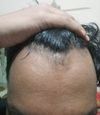
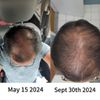
Buzzing or shaving your head can boost confidence and save money on hair loss treatments. Some prefer treatments like finasteride and minoxidil to maintain their hair.
The user shared their 3.5-month progress using topical minoxidil, ketoconazole shampoo, and dermarolling for hair loss, and plans to start finasteride. They experienced relief from scalp issues with ketoconazole and are managing side effects from minoxidil.
The user started using finasteride at age 23, stopped at 30 to start a family, and resumed at 39 with minoxidil, seeing positive results both times. They successfully had four children after stopping finasteride, noting changes in sperm quality and some side effects upon resuming the medication.
A 20-year-old user experienced worsening hair loss despite using various treatments including topical and oral minoxidil, finasteride, and dutasteride. Other users suggested additional treatments like JAK inhibitors, RU58841, and lifestyle changes, but the user remains skeptical and frustrated.
A 23-year-old male, experiencing hair loss since his teens, struggles with motivation to continue using minoxidil and dutasteride due to depression and stress. Suggestions include resuming medication, therapy, improving mental well-being, and considering lifestyle changes like exercise and social support.
The user is experiencing ongoing hair loss despite using a comprehensive treatment regimen including dutasteride, oral minoxidil, cyproterone acetate, transdermal estradiol, and topical bicalutamide. They suspect cyproterone acetate may be worsening their hair loss and are considering switching to injection monotherapy.
A 19-year-old is frustrated with doctors giving misleading information about hair loss treatments, specifically finasteride and minoxidil. They plan to self-administer finasteride due to concerns about side effects and lack of supportive medical guidance.
A user reported positive hair regrowth using finasteride and minoxidil for 2 months, noting thicker roots and improved appearance. The post led to skepticism and discussions on treatment methods and side effects.
A user discusses their struggle with aggressive hair loss starting at a young age and their use of various treatments, including topical finasteride, minoxidil, dutasteride, and RU58841, without significant success. Other users share their experiences and suggest trying oral finasteride or dutasteride, topical spironolactone, and maintaining a vitamin regimen, while noting potential side effects like gynecomastia.
A 24-year-old experienced significant hair regrowth over 8 months using oral finasteride, oral and topical minoxidil, dutasteride, microneedling, and ketoconazole shampoo. They are satisfied with the results and may consider a hair transplant after one year.
The user discusses using Minoxidil for hair loss and is considering RU58841 to reduce excessive oil production. They seek advice on RU58841's effectiveness in blocking sebum production.
The user started using pyrilutamide for hair loss on January 24, applying 1ml daily without other treatments, and after 10 days noticed reduced hair shedding and improved hair quality, with plans to continue for at least 6 months. They experienced chest pain initially, which could be related to starting methylphenidate or pyrilutamide, but the pain has since subsided.
A 24-year-old male has been using dutasteride and Minoxidil for over a year, previously used finasteride for 8 months, but hasn't seen significant hair regrowth and is concerned about hair loss on the sides. He follows a regimen of taking dutasteride every three days and applies Minoxidil twice daily.
A 19-year-old is concerned about using low-dose sublingual minoxidil for hair loss and its potential side effects, while questioning its effectiveness against DHT. They are considering whether this treatment is the best option.
A person experienced hair loss due to stress, hormonal changes, and possibly genetics, and tried treatments like minoxidil, finasteride, and dutasteride. They are now considering exosome therapy but are unsure about its effectiveness and which dermatologist to trust.
An 18-year-old with diffuse hair thinning is considering switching from a topical Minoxidil 10% + Finasteride 0.1% solution to Minoxidil 5% foam and oral Finasteride 0.5mg, while also addressing vitamin D deficiency and potential scalp inflammation. Users suggest using Nizoral shampoo for inflammation, considering dutasteride for better results, and maintaining vitamin D levels to protect hair follicles from DHT.
Minoxidil works by opening potassium channels, leading to reduced blood pressure and potential side effects like reflex tachycardia. It is used for hair growth and affects blood pressure at high doses.
A 21-year-old male used 1mg of finasteride since March with no results and suspects a scalp fungus due to pimples and burning sensations. He is seeking advice on treating the potential fungus.
The user is experiencing positive results in hair regrowth using a regimen of 0.5 mg dutasteride, 5 mg oral minoxidil, ketoconazole shampoo, microneedling, and a combination of topical minoxidil with RU58841. They report no side effects and express gratitude for the support and inspiration from the community.
A 26-year-old male shared progress photos showing hair improvement after nearly 5 months on oral Minoxidil (4mg), Dutasteride (0.5mg), and biotin (4mg). The photos show noticeable hair growth over time.
An 18-year-old male is experiencing hair loss and is using topical minoxidil and oral finasteride. He is concerned about continued shedding, mild sexual side effects, and whether to adjust his finasteride dosage.
A 20-year-old male is frustrated with his dermatologist for refusing to prescribe DHT blockers like finasteride or dutasteride, instead pushing for a hair transplant despite ongoing hair thinning. The user feels dismissed and unreasonably treated, and is advised by another user to find a better dermatologist and consider finasteride or dutasteride for effective treatment.
A 32-year-old male is considering options to soften a dense transplanted hairline after experiencing accelerated hair loss and intolerance to finasteride and dutasteride, while using minoxidil. He is exploring partial electrolysis or laser treatments to achieve a natural look with a short buzz cut, avoiding a second transplant or scalp micropigmentation.
The user switched from Minoxidil to a Hims spray containing both Finasteride and Minoxidil but hasn't seen significant progress after 6 months. They are seeking advice for hair loss, particularly at the front and corners, and are using derma stamping twice a week.
The user is experiencing hair thinning and receding sides and is seeking advice on starting finasteride and minoxidil. They are asking about dosage, whether to use oral or topical minoxidil, and for brand recommendations.
An 18-year-old is considering taking 2.5mg oral minoxidil for 15-20 years alongside dutasteride and finasteride. They are concerned about the long-term safety and effectiveness of minoxidil in maintaining hair stability.