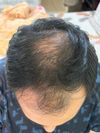
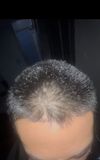
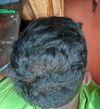
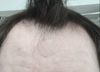
The conversation discusses hair loss treatments, including finasteride, microneedling, minoxidil, and PTD-DBM. The user has not noticed significant regrowth and is considering cost-effective options like valproic acid.
The conversation discusses a product called Rexagain Mixprocapil, which includes topical finasteride. Users express skepticism about the product's legitimacy and caution about its use.
A user is experiencing facial bloating from low-dose topical finasteride due to high estradiol levels and is seeking advice on using DIM to manage this issue, including dosage and brand recommendations.
A 28-year-old male shares progress on hair loss treatment using 0.5mg dutasteride and 5mg minoxidil, experiencing initial shedding but encouraged by community support. He also uses ketoconazole occasionally based on scalp oiliness.
A 21-year-old used 1.25mg finasteride and minoxidil twice daily for hair regrowth, reducing finasteride to 5 times a week since September. He also started using Nizoral for dandruff, noticed an increased appetite, and experienced a temporary change in sex drive.
The user is using finasteride 1.25mg three times a week for hair regrowth and reports no significant side effects except watery semen initially. They also use a local caffeine shampoo and are considering haircuts to improve appearance.
A 20-year-old male shares his 2.5-month progress using 1mg finasteride, topical minoxidil, tretinoin, dermarolling, and ketoconazole for hair loss, noting slight libido decrease. Users discuss sourcing topical finasteride and request more photos to see the results.
The conversation discusses a user's hesitation to start dutasteride for hair loss while already using finasteride, minoxidil (both oral and topical), RU58841, and ketoconazole shampoo. The user plans to gradually transition from finasteride to dutasteride to minimize shedding, seeking advice and reassurance from others.
An 18-year-old using topical finasteride for hair loss is experiencing side effects like delayed ejaculation and lower sex drive after three months. They are considering whether to continue with the treatment or adjust it, possibly switching back to minoxidil.
Topical finasteride (P-3074) can inhibit scalp DHT by up to 70%, with some users experiencing systemic absorption similar to oral use. Users discuss varying application frequencies and concentrations, with some noticing side effects when overused.
Latanoprost is discussed as a potential hair loss treatment, noted for its synergy with minoxidil and 5-AR inhibitors, but concerns include its effectiveness on scalp hair, cost, and potential skin darkening. Some users express interest in trying latanoprost or bimatoprost despite limited real-world evidence.
The user has been using finasteride and minoxidil for hair loss but experienced worsening temple recession. They suspect they might be more sensitive to testosterone and are considering trying RU58841 or CB 03 01 as additional treatments.
The user experienced hair improvement using 1mg finasteride daily for six months, managing seborrheic dermatitis with rosemary and eucalyptus oil. They are considering switching to dutasteride for potentially better results.
CB-03-01 is a topical anti-androgen with low absorption, offering potential as a side-effect-free alternative to Finasteride/Dutasteride for hair loss. It's in stage 2 clinical trials for acne and showing promise for male pattern baldness.
A user experienced unexpected hormone test results after 7 months on 1mg daily finasteride, noting a decrease in estradiol despite expectations of an increase. Other users suggested that hormone responses can vary and that finasteride might still be effective if DHT levels are within range, while also mentioning factors like circadian rhythm and stress that could impact results.
The user is trying Hair + Me's 5% minoxidil and 0.1% finasteride topical, which has a different carrier and pleasant smell compared to traditional alcohol-based formulas. They are seeking feedback on its effectiveness compared to classic formulas.
A 23-year-old experiencing diffuse hair thinning has chosen a treatment stack including topical finasteride, a blend of rosemary, peppermint, and pumpkin seed oils, procyanidine B2 spray, ketoconazole shampoo, and scalp massages. They avoid minoxidil due to family history of side effects and oral finasteride due to high estrogen levels.
RU58841 is considered effective by some users, but finasteride and minoxidil are commonly used with varying dosages to manage side effects. Users report different experiences with treatments like pyrilutamide, fluridil, and RU58841, with some seeing results and others not.
A 31-year-old Indian male has been using oral minoxidil and finasteride for hair loss without visible improvement. He is considering taking DUT tablets against his doctor's advice due to potential side effects and is contemplating buzzing his hair instead.
The user is considering simplifying their post-hair transplant regimen, which currently includes oral finasteride, topical minoxidil, and has topical finasteride and dutasteride available but unused. They seek advice on whether to maintain or adjust their treatment plan to achieve the minimum effective treatment.
A 38-year-old man using minoxidil, tretinoin, and microneedling for hair loss is considering adding finasteride to his regimen. He is concerned about potential effects on beard growth but seeks advice on whether to add finasteride now or wait.
A 19-year-old is experiencing worsening hair loss and severe seborrheic dermatitis despite using finasteride for six months. Nizoral (ketoconazole) is no longer effective, and they are seeking over-the-counter solutions and advice for an upcoming dermatologist visit.
An 18-year-old experiencing diffuse hair thinning since 8th grade seeks advice. They are concerned about having less hair than their 52-year-old father and are looking for treatment options.
Alfatradiol is considered a mild treatment for hair loss, often used alongside other treatments like finasteride, minoxidil, and dutasteride. Users report it helps maintain hair but is not effective for regrowth on its own.
A 24-year-old male is concerned about hair loss, possibly at Norwood stage 3 to 5, and has started using Minoxidil, shampoo, and hair fibers, while planning to get finasteride. He is worried about the shedding process affecting his progress.
Clascoterone is considered overhyped and not as effective as finasteride or dutasteride, but it may be useful as a supportive treatment in combination with other therapies. Users express skepticism about its effectiveness compared to clinical trials, with some suggesting it could be beneficial for those who cannot tolerate other treatments.
The user is considering switching from oral to topical dutasteride and minoxidil due to concerns about mental health effects from lower DHT levels. They are seeking advice on the effectiveness and side effects of this change, including potential hair shedding and density changes.
Oral minoxidil dosing should be based on body weight to minimize side effects, with higher doses increasing risks like pericardial effusion. Combining oral minoxidil with topical treatments and finasteride can improve hair growth, but regular heart health monitoring is essential.
The user has been using dutasteride for 2 years and minoxidil for 1 year, but their hairline is still receding. Some users think the hairline has maintained or gained density, while others notice minor recession.