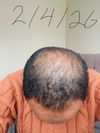
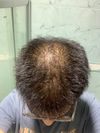
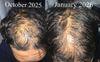
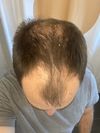
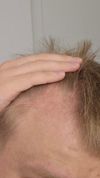
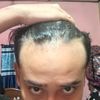
The user has been using oral finasteride and minoxidil for hair loss but hasn't seen improvement and is considering switching to dutasteride or RU58841. They plan to start microneedling for better results.
An international student in Germany needs a prescription for finasteride and minoxidil to continue treating androgenic alopecia. They seek guidance on finding a doctor and using their student health insurance for the prescription.
The user has been using 2.5 mg oral minoxidil and 0.5 mg dutasteride after 14 months on finasteride with no significant regrowth observed. They are considering increasing the dutasteride dosage and adding topical minoxidil with tretinoin to potentially improve hair growth.
A 21-year-old is experiencing hair loss despite using finasteride, minoxidil, derma rolling, vitamins, and keto shampoo. They are contemplating a hair transplant but worry about their age and future hair loss.
The user is concerned about whether their hair styling is causing thinning or if it's natural. They are considering treatments like Minoxidil, finasteride, or RU58841 for hair loss.
The user is experiencing hair loss, possibly due to androgenic alopecia or telogen effluvium, and is considering treatments like Minoxidil, Finasteride, or RU58841. They also mention potential iron deficiency and sleep deprivation as contributing factors.
Finasteride is effective in promoting hair growth and reversing hair miniaturization in men with androgenetic alopecia, with improvements seen in various studies over different durations. Some users report initial side effects like ball ache, which often resolve as the body adjusts.
A user shared their hair loss journey, starting with minoxidil and finasteride, and later switching to dutasteride, but still experiencing hair loss. Other users discussed their experiences with dutasteride, noting side effects like shedding and reduced libido, but some reported maintaining their hair over time.
A 22-year-old male is on day 77 of using 1 mg finasteride for hair loss. He reports decreased oiliness and shedding but is unsure about overall progress.
The conversation is about a user assessing their hair loss as Norwood 1.5 and discussing their use of oral minoxidil and finasteride for 2.5 years, which improved their hair density. They are content with their current progress but hope to reach Norwood 1.
A 20-year-old is using a topical solution with 0.1% finasteride and 7% minoxidil for hair loss, applying about 10 drops daily. They seek advice on the correct dosage to avoid over or under-application.
The user has been using 0.25% topical finasteride and 5% minoxidil for 1.5 years with significant hair improvement and plans to start microneedling and possibly switch to oral finasteride for better long-term results. They are happy with the progress but seek more hair density and have not experienced any side effects.
The user forgot their minoxidil and finasteride while traveling in Indonesia and is concerned about hair loss. They are advised that a 6-week break might cause some shedding but not drastic changes, and it's safer to wait for friends to bring the medication due to strict drug laws.
A user experimented with creatine while using finasteride and minoxidil for hair loss, noticing increased bald spots and thinner hair, but attributed it to his hair cycle rather than creatine. Other users suggested that creatine doesn't cause hair loss directly, but increased testosterone from workouts might affect those with a genetic predisposition.
A 23-year-old male noticed hair loss and started using finasteride 1mg, initially experiencing significant shedding which reduced after 100 days. He switched from the brand Andropel to Folcres due to availability in Argentina.
The conversation discusses the experience of hair shedding after starting sublingual oral Minoxidil, with the user questioning whether to continue the treatment. Responses suggest persisting with the treatment as shedding might lead to positive results.
Finasteride is seen as risky for men due to side effects like erectile dysfunction, while hormonal birth control for women is normalized despite its side effects. The discussion points out a double standard influenced by societal and gender norms.
The conversation discusses a small patch of missing hair and whether treatments like Minoxidil, finasteride, or RU58841 could help. The user is seeking advice on addressing this specific hair issue.
The user is considering starting minoxidil or getting their scalp checked for permanent scarring due to noticing thinner hair after bleaching. They are seeking advice on hair loss remedies.
The user is considering dividing 1mg finasteride pills into quarters despite instructions not to. They currently divide 5mg pills into smaller doses and want to switch to 1mg pills.
The user experienced reduced hair shedding with Ketoconazole shampoo, suggesting it may help with scalp inflammation and hair health. They also use Minoxidil and Finasteride, and suspect food intolerance and stress contribute to their hair issues.
Long-term finasteride users report maintaining or regrowing hair, often using additional treatments like minoxidil, low-level laser therapy, and ketoconazole shampoo. Most experience minimal side effects, though some report issues like erectile dysfunction.
The user experienced initial success with finasteride and topical minoxidil, but hair loss returned, leading to changes in treatment including dutasteride, oral minoxidil, and supplements. Despite increasing minoxidil dosage, hair loss persisted, prompting consideration of injectable treatments.
Rhamnose may promote hair growth and pigmentation, suggesting it as a potential hair loss treatment. The conversation discusses its potential alongside known treatments like Minoxidil, finasteride, and RU58841.
The user experienced sexual side effects from finasteride and switched to using only topical minoxidil without side effects. They are seeking alternatives to finasteride, such as topical finasteride, to maintain hair without adverse effects.
A teenager experiencing hair loss is using minoxidil, a derma roller, and plans to add ketoconazole shampoo to their routine. They are advised to continue this regimen consistently for at least six months to see results, with the shedding being a normal part of the process.
The user is experiencing white flakes on their scalp despite using anti-dandruff shampoos and oils for six weeks. A suggestion was made to try ketoconazole at higher concentrations, as it might be seborrheic dermatitis, which can lead to hair loss if untreated.
A user shared their hair regrowth journey from Norwood 7 at age 22 using oral minoxidil 10mg, dutasteride 0.5mg, and RU58841 70mg, along with a recent hair transplant. They experienced significant progress and discussed potential side effects, particularly with oral minoxidil, and plan to update on further growth.
An 18-year-old male with hair loss is considering starting finasteride but is concerned about potential side effects like gynecomastia due to his prolactin levels. He seeks guidance on whether his bloodwork indicates it's safe to begin treatment.