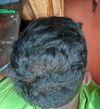
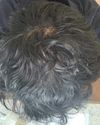
Creatine use with finasteride increased DHT levels, possibly affecting hair loss. The user plans to reduce creatine to stabilize DHT and hair shedding.
The conversation discusses skepticism about Breezula, a hair loss treatment, with the consensus that it's not a miracle cure but a maintenance drug that may work well with finasteride. Some users report side effects from finasteride, like sexual dysfunction, while hoping for better results from Breezula or RU58841 without such side effects.
The conversation discusses using Vitamin E, Minoxidil, finasteride, and RU58841 for hair loss treatment. The link provided offers more information on the benefits of Vitamin E for hair loss.
A woman experiencing hair loss at 30 discusses treatments like Rogaine (Minoxidil) and Spironolactone. Others share experiences with hair loss, mentioning treatments like Minoxidil, Nizoral, and scalp oils.
A 23-year-old man with hair loss, despite using dutasteride, oral minoxidil, and RU58841, is considering bicalutamide for regrowth but is concerned about feminization. Alternatives like topical estrogen, JXL069, and spironolactone are discussed, with suggestions to explore thyroid levels and other potential underlying conditions.
Low estrogen levels may reduce the risk of side effects from finasteride, such as gynecomastia. Some users plan to start with microneedling and minoxidil before trying finasteride, while others have experienced temporary side effects from topical finasteride but continued use without persistent issues.
Bee venom at 0.001% concentration was more effective than 2% minoxidil in promoting hair growth in mice, possibly due to increased growth factors and reduced inflammation. Caution is advised due to potential allergic reactions and the reliance on animal data.
The user is using Minoxidil, Finasteride, RLLT, Nizoral Shampoo, and microneedling for hair regrowth. They notice some thickening and new hair growth, especially in the front, but are unsure about the overall regrowth due to previous head shaving and photo comparisons.
The user is considering adding liposomal dutasteride to their hair loss treatment, which currently includes topical finasteride and minoxidil. They are exploring different concentrations and application frequencies to enhance hair retention and are also planning to continue using Rogaine.
A user shared their successful hair regrowth journey using 0.5 mg Dutasteride, 2.5 mg oral Minoxidil, and Biotin gummies, after switching from Finasteride due to insomnia. They highlighted the importance of brushing the scalp for blood flow and reported significant progress in four months without side effects.
A user shared their significant hair regrowth progress using topical minoxidil, oral finasteride, and minoxidil chews, while transitioning to generic versions. They also mentioned using batana oil and microneedling, with no side effects reported.
A 59-year-old male switched to a once-daily treatment of 7% Minoxidil, 0.15% Finasteride, and other ingredients, questioning its effectiveness compared to his previous twice-daily regimen. He has seen some hair regrowth but is unsure if the new treatment is better.
A user shared their hormone levels to gauge if they can use finasteride for hair loss without issues. Their hormone levels are mostly within the reference ranges.
User shares 4-month progress using finasteride, minoxidil, and microneedling for hair loss. Others discuss body hair, hair transplant possibilities, and user's treatment response.
The post and conversation are about a user's 6-month progress using topical dutasteride, 8% minoxidil, tretinoin, 2% ketoconazole shampoo, microneedling, oral finasteride, pumpkin seed oil, Vitamin D3, a men's multivitamin, rosemary oil, and 5% minoxidil foam for hair loss treatment.
The user is seeking advice on which hair growth oil to add to their current regimen of finasteride, Nizoral, and micro-needling. They are considering oils with ingredients like biotin, caffeine, castor oil, rosemary oil, hemp, coconut, olive, lavender, peppermint, aloe, horsetail, vitamin B5, rosehip seed, and algae.
An 18-year-old experiencing diffuse hair thinning since 8th grade seeks advice. They are concerned about having less hair than their 52-year-old father and are looking for treatment options.
Alfatradiol is considered a mild treatment for hair loss, often used alongside other treatments like finasteride, minoxidil, and dutasteride. Users report it helps maintain hair but is not effective for regrowth on its own.
Clascoterone is considered overhyped and not as effective as finasteride or dutasteride, but it may be useful as a supportive treatment in combination with other therapies. Users express skepticism about its effectiveness compared to clinical trials, with some suggesting it could be beneficial for those who cannot tolerate other treatments.
The user is considering switching from oral to topical dutasteride and minoxidil due to concerns about mental health effects from lower DHT levels. They are seeking advice on the effectiveness and side effects of this change, including potential hair shedding and density changes.
Oral minoxidil dosing should be based on body weight to minimize side effects, with higher doses increasing risks like pericardial effusion. Combining oral minoxidil with topical treatments and finasteride can improve hair growth, but regular heart health monitoring is essential.
The user has been using dutasteride for 2 years and minoxidil for 1 year, but their hairline is still receding. Some users think the hairline has maintained or gained density, while others notice minor recession.
Minoxidil can cause significant hair shedding, especially for those who don't need it, and should be used cautiously under medical advice. Natural remedies like onion, rosemary oil, aloe vera, coconut oil, and a healthy lifestyle can help recover from minoxidil-related hair loss.
The user has high DHT levels despite using dutasteride, which may not be effective due to potential damage or spoilage. They are considering a hair transplant if DHT levels don't decrease after two years.
A 21-year-old male has been using minoxidil for 7 months but notices worsening hair loss, including increased visibility of the crown, overall thinning, and a receding hairline. He previously used finasteride and is considering restarting it, questioning if long-term shedding is normal and when to expect results.
Creatine does not increase testosterone or DHT, and there is no evidence it causes hair loss. Some users report improved gym performance and mood with creatine, while others are concerned about potential hair loss, but scientific research does not support these concerns.
The user is considering continuing minoxidil and microneedling, possibly adding low-dose topical finasteride, and undergoing a large FUE hair transplant to improve hair appearance. They plan to use hair fibers for added density, aiming for a convincing cosmetic look rather than full density.
The user has been on finasteride for 18 months and experienced significant hair shedding after increasing minoxidil dosage, which has not stopped despite reducing the dosage. They are concerned about the effectiveness of finasteride and whether minoxidil triggered ongoing hair loss, compounded by personal stress and trauma.
Topical spironolactone is discussed as a hair loss treatment, with concerns about its effectiveness and side effects compared to finasteride and minoxidil. Users mention its unpleasant smell, potential systemic absorption, and suggest alternatives like pyrilutamide and alfatradiol.