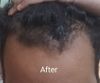
A 17-year-old is concerned about hair loss and shares photos for opinions. A user responds that the hair looks normal but is hard to assess from the images.
A 17-year-old is experiencing hair thinning all over, possibly due to low vitamin D levels. They are advised to consider vitamin D supplementation and check other factors like iron or thyroid function.
A 17-year-old improved his hairline using minoxidil and derma stamping, planning to start finasteride at 18. He received advice on dosing and potential side effects to maintain results.
A 17-year-old has been using Minoxidil for 3 months and dermastap for 2 weeks but feels they are losing progress. A suggestion was made to add finasteride 1 mg three times weekly.
A 17-year-old is using oral dutasteride, finasteride, and topical minoxidil for hair loss, with plans to increase dutasteride and consider surgery. They report significant regrowth but are worried about side effects and the effects of blocking DHT at a young age.
A 17-year-old experienced significant hair loss after switching from topical to oral minoxidil and adding finasteride. The recommendation is to return to topical minoxidil and continue with finasteride or consider dutasteride.
A 17-year-old is considering using saw palmetto for hair loss until they can get finasteride, while currently using minoxidil and ketoconazole. Users suggest that saw palmetto is weak, and recommend continuing minoxidil and ketoconazole until finasteride is available.
A 17-year-old with thinning hair is considering using Revalid, a supplement with ingredients like biotin and zinc, based on parental recommendations. Another user suggests that supplements could help since the hair thinning doesn't seem to be androgenic alopecia.
A 17-year-old has been using minoxidil, microneedling, and finasteride for hair loss, with added tretinoin for better absorption. They are seeking opinions on their progress and the use of finasteride as a teenager.
A 17-year-old user reports significant hair regrowth using 1mg finasteride daily and 5% minoxidil once daily. Other users discuss the effectiveness and age considerations of finasteride.
A 17-year-old is concerned about hair loss and questions his dermatologist's advice against using finasteride due to age. The dermatologist recommended a serum with aloe vera, saw palmetto, biotin, and dexpanthenol, but the user is skeptical and considers using minoxidil instead.
A 17-year-old experiencing aggressive hair loss since December 2023 is using finasteride, vitamin D, and a biotin supplement but cannot use minoxidil due to dandruff. They have also undergone two PRP treatments and are seeking further advice.
A 17-year-old male has experienced significant hair loss within 4 months, noticing scalp visibility constantly. He's used ketoconazole shampoo, and his dermatologist recommends minoxidil and finasteride when he turns 18, but he's considering shaving his head due to the rapid hair loss.
A 17-year-old with AGA is considering Revitacare Haircare Mesotherapy, which includes hyaluronic acid, amino acids, zinc, and B vitamins, injected into the scalp. One reply dismisses it as ineffective.
A 17-year-old male experiencing significant hair loss is using a prescribed topical treatment containing Minoxidil, Tretinoin, Dutasteride, and Latanoprost. He expresses concerns about the potential side effects of Dutasteride and oral Finasteride, and seeks advice on whether to continue with the treatment or consider alternatives.
A 17-year-old experiencing early hair loss is advised to improve diet and lose weight gradually, as rapid weight loss and poor diet may contribute to hair loss. Minoxidil is not an option due to tachycardia, and finasteride is not recommended before age 18; alternatives like magnesium oil and dermarolling are suggested.
A 17-year-old is looking for alternatives to finasteride for DHT control to preserve hair, considering ketoconazole shampoo for its potential to inhibit 5AR and also thinking about using caffeine-containing shampoos like alpecin or watermans.
A 17-year-old is considering finasteride for hair loss but is advised to wait due to potential hormonal effects at a young age. Alternatives like minoxidil, micro-needling, vitamins, and lifestyle changes are suggested instead.
A 17-year-old is considering finasteride for a receding hairline and seeks advice. Suggestions include starting with low-dose finasteride, trying dermarolling and Minoxidil, and consulting a physician.
The user noticed tiny black hairs after using 5% topical minoxidil for 1.5 months and is unsure if it's due to the treatment. Another user suggests continuing minoxidil for at least 6 months and mentions that combining it with tretinoin and finasteride may improve results.
The conversation discusses a 17-year-old using finasteride to address early hair thinning, expressing pride in taking action to prevent hair loss. The user emphasizes the importance of starting treatment early and shares experiences with the hair loss community.
A user successfully reversed hair loss over 17 months using 0.5mg dutasteride and 5mg oral minoxidil daily, noting significant improvement without a transplant. Minor side effects like headaches and testicular discomfort were reported but resolved quickly.
The user has been on finasteride for 17 months to treat hair loss, with some improvement in the crown but still experiencing significant shedding. They are considering if finasteride alone is sufficient and are hesitant to use minoxidil due to a pre-existing condition, while another person suggests trying dutasteride.
The user started balding at 16/17 and tried various treatments including minoxidil, finasteride, and dutasteride with little success. They recently started applying diclofenac gel to their bald areas and noticed some hair regrowth, attributing this to diclofenac's ability to lower prolactin levels and its anti-inflammatory effects.
27F with androgenic alopecia since 17 seeks treatment. Tried spironolactone, caused low blood pressure; believes finasteride is safer and wants to try it.
The user started losing hair at 17 and tried various natural remedies and supplements with little success. They eventually found minoxidil effective in reducing shedding and recently began finasteride, experiencing no significant side effects and feeling more confident.
The user is happy with hair growth progress after using topical finasteride (0.1%) and minoxidil (7%) daily for over three months, despite some initial shedding. Other users discuss dosage, lighting in photos, and the effectiveness of topical versus oral treatments.
A 20-year-old male experiencing hair loss since age 17 has been using 1mg finasteride for four months and inconsistently used 5% topical minoxidil for three months. He is experiencing increased shedding and questions whether it's due to stopping minoxidil or if finasteride is ineffective.
A 38-year-old has maintained hair with finasteride for 17 years, recently adding oral minoxidil for improvement. Users discuss experiences with finasteride, dutasteride, and minoxidil, noting effectiveness, side effects, and costs.
Finasteride is recommended for hair loss starting at age 17, with some users suggesting starting even earlier. Minoxidil is also suggested as an option, while lifestyle changes like diet and exercise are noted as beneficial for health but not effective for slowing genetic hair loss.