Creatine may cause hair loss in some individuals, though there is no scientific consensus. Personal experiences vary, with some reporting increased shedding and others seeing no effect.
The conversation discusses hair loss treatments, specifically the use of finasteride, dutasteride, and RU58841. The user is seeking alternatives after finasteride failed to stop hair loss, with suggestions to try dutasteride or consider RU58841 under caution.
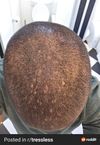
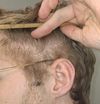
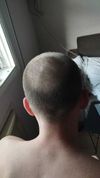
The user noticed small circular hairless spots after a buzz cut and has been using finasteride, dutasteride, and oral minoxidil for hair loss. They are experiencing continuous shedding and thinning, and it is suggested they consult a dermatologist for a scalp examination and possible biopsy to determine if it's alopecia areata or androgenetic alopecia.
A user shared positive results from using 0.5 mg finasteride daily for 3.5 months, noting no side effects and visible hair regrowth. Others commented on their experiences, with some expressing hope and others cautioning about potential side effects.
Dutasteride is often more effective than finasteride for hair regrowth, though it may cause initial shedding. Many users see positive results after several months, with some combining it with minoxidil for better outcomes.
The user is using minoxidil, finasteride, dutasteride, and clobetasol, along with needling, to combat hair loss. They are considering stopping treatment if no improvement is seen.
The user experienced anxiety, dizziness, and fatigue after starting finasteride and is seeking advice on whether to continue, adjust the dose, or consult a doctor. They stopped taking finasteride and are unsure if it caused their symptoms.
Justin Bieber's hair loss and his choice not to use finasteride or other treatments like rectal injection are discussed, with reasons speculated to be side effects or lack of concern. The conversation also mentions his past hair transplant and suggests his wealth and fame might make appearance less of a priority.
The user is considering taking 2.5 mg oral minoxidil and 1 mg oral finasteride sublingually to minimize side effects after a hair transplant. They seek advice on the pros and cons of this method, noting a lack of concrete information.
A 16-year-old experiencing diffuse hair thinning is considering using minoxidil and plans to start finasteride at 18, while others suggest alternatives like saw palmetto and pumpkin seed oil. Users advise consulting a doctor before starting treatments and emphasize the importance of understanding the cause of hair loss.
A trans woman is using 10 mg oral minoxidil, dutasteride, and estradiol for hair regrowth and is also doing dermastamping despite the pain. Users discuss the benefits of dermastamping for serum absorption and hair follicle stimulation, with some expressing surprise at the high minoxidil dosage.
A 27-year-old male has been using minoxidil for five months with no improvement and is considering adding finasteride to address potential DHT interference. He is seeking advice on whether finasteride might enhance minoxidil's effectiveness or if he should consider other options like a hair transplant.
A 27-year-old is experiencing hair thinning and receding, currently using finasteride and planning to start minoxidil. They seek advice on hairline treatment options, including styling, PRP, peptides, and micro-needling.
A dermatologist prescribed a 16-year-old a mix of 5% topical minoxidil and 0.1% topical finasteride for hair loss, but the user is concerned about side effects. Another user advises against using finasteride at a young age due to potential growth impacts and suggests consulting a doctor to assess growth completion.
Veradermics' oral minoxidil shows promise for hair regrowth, with some users reporting significant improvements, while Pelage's PP405 results are less convincing and lack transparency. There is skepticism about both treatments' long-term effectiveness and potential side effects.
A 19-year-old transgender individual is experiencing worsening temple recession despite taking female hormones and 1.25mg finasteride. They are seeking advice on additional treatments to address hair loss.
The user is considering hair restoration options after experiencing side effects from Minoxidil and avoiding Finasteride due to concerns about side effects. They are contemplating trying Finasteride or Dutasteride and possibly undergoing a hair transplant.
A 21-year-old male experiencing hair thinning started using Minoxidil, which stopped his shedding and led to the growth of vellus hairs on his temples. He is considering whether to add finasteride to his routine, which currently includes Minoxidil, derma rolling, ketoconazole shampoo, vitamin D3, zinc, and a rosemary and fenugreek lotion.
The user has been using dutasteride, finasteride, and ketoconazole shampoo for hair loss, recently adding minoxidil and tretinoin, and plans to start microneedling. They advise starting treatments early to maintain hair, as regrowth is more challenging.
People are hopeful about future hair loss treatments like PP405, GT20029, and VDPHL01, while some are currently using finasteride and minoxidil. There is skepticism about the effectiveness of new treatments, and some advise against hair transplants until more promising drugs are available.
A 31-year-old male switched from finasteride to oral dutasteride (0.5mg, 2x a week) and uses liquid minoxidil daily for hair loss. He experienced shedding and regrowth but is considering increasing dutasteride to 3x a week due to concerns about hair density and ongoing issues.
Insulin resistance may increase DHT production, contributing to hair loss, and addressing it through diet, nutrients, and natural DHT blockers like saw palmetto and pumpkin seed oil could help reverse hair loss. Some users prefer medications like finasteride for more effective results.
The user experienced significant hair improvement after four months using oral finasteride, topical minoxidil, and a daily caffeine shampoo, with no side effects. The discussion includes varying opinions on the effectiveness and side effects of finasteride.
A 25-year-old male shared his hair loss journey, using finasteride and oral minoxidil, which improved his hair density and quality. He also addressed dermatitis with exfoliation and anti-dandruff shampoo, and emphasized the importance of a healthy scalp and lifestyle changes.
The user plans to start a 12-month finasteride treatment to combat aggressive hair loss, with regular monitoring of thyroid levels, testosterone, DHT, liver enzymes, PSA, and iron levels. They seek advice on additional monitoring and aim to balance results with minimal side effects.
Hair loss greatly affects mental health and social life for young men. Treatments like finasteride, minoxidil, and hair transplants are common, with mixed success and ongoing self-esteem challenges.
Minoxidil may inhibit androgen receptors and affect hormonal pathways, potentially explaining its effectiveness in treating androgenetic alopecia (AGA). Users discuss its varying effectiveness on scalp versus facial hair and note fewer side effects with topical use compared to oral.
Creatine does not cause hair loss, despite many users reporting personal experiences of hair shedding. Scientific evidence shows no link between creatine and increased hair loss or hormone changes.
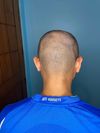
A 28-year-old male experiencing diffuse thinning and miniaturization around the ears and back has tried finasteride, dutasteride, and both topical and oral minoxidil without success. He is seeking advice on identifying the type of hair loss and next steps since current treatments are ineffective.
The individual is considering starting hair loss treatment with dutasteride, prescribed by a dermatologist, due to concerns about finasteride side effects. They are also interested in the potential benefits of reducing DHT and are contemplating whether to maintain a shaved head or pursue treatment.